

We’re letting you know that this post contains sponsored links which Your Savvy Purse receives compensation for, which may impact their order of appearance.
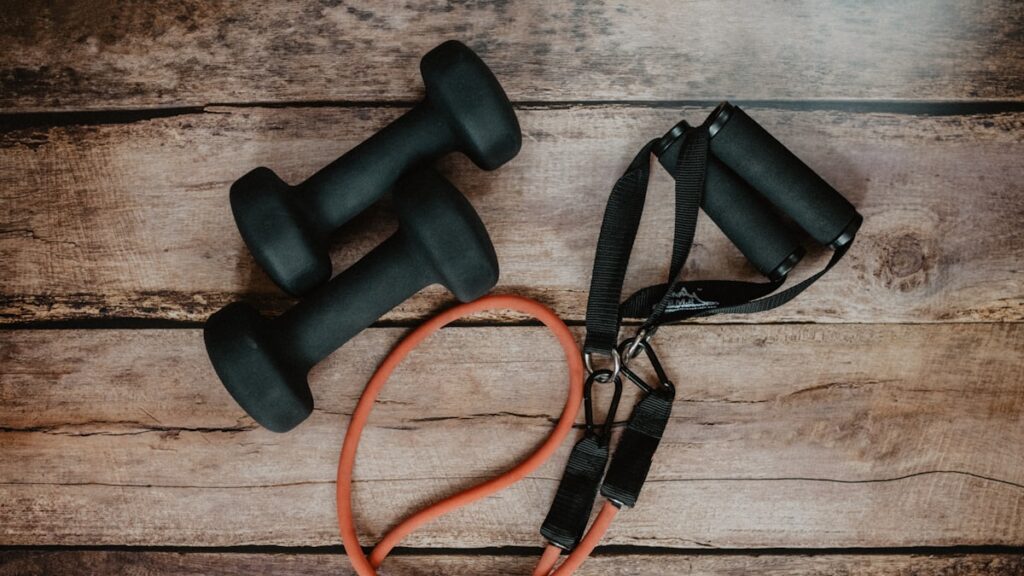
The word “strength training” can conjure up images of crowded gym floors, intimidating racks of barbells, and workout plans that seem built for people who already know what they’re doing. It’s easy to assume you need a gym membership, a garage full of equipment, or a background in fitness to get started. In reality, some of the most effective strength routines use just a few basic movements, a small set of dumbbells or even just your own body weight, and a plan simple enough to actually stick with.
Building strength isn’t about lifting the heaviest weight in the room or spending hours working out every day. It’s about consistency, good form, and a routine simple enough that you’ll actually keep doing it, whether you’re brand new to exercise or getting back into it after time away. As always, it’s a good idea to check with a doctor before starting any new exercise routine, especially if you have an existing health condition or haven’t exercised in a while. Here’s how to build a simple strength training routine you can do at home.
Start With Bodyweight Moves Before Adding Weight
You don’t need any equipment at all to begin building real strength. Bodyweight exercises like squats, push-ups, and lunges build a foundation of strength and stability that makes everything else — including using weights later — safer and more effective.
Do this: Spend the first few weeks focusing on a handful of bodyweight moves and getting comfortable with the motion before adding dumbbells or resistance bands. Once bodyweight squats or push-ups start to feel easy, that’s your natural signal that it’s time to add resistance.
Focus on a Few Compound Moves Instead of Dozens of Exercises
A routine with twenty different exercises sounds thorough, but it’s usually harder to remember, harder to stick with, and not actually more effective than a shorter list done well. Compound moves — exercises that work several muscle groups at once, like squats, rows, and presses — give you more results for less time invested.
Try this: Build your routine around five or six compound moves rather than a long list of isolated exercises. A simple combination like squats, push-ups, rows, and lunges covers most of your major muscle groups in a routine that takes twenty to thirty minutes.
Choose a Simple Two- or Three-Day Split You’ll Actually Repeat
An ambitious six-day-a-week plan often collapses within the first two weeks, not because it’s a bad plan, but because it doesn’t fit into an actual life. A routine you do consistently two or three days a week will always beat an ideal routine you only manage once.
Do this: Pick two or three days a week that realistically work with your schedule, and build a full-body routine you repeat on each of those days. Consistency over months matters far more than an intense schedule you can only maintain for a week or two.
Track Small Progress Instead of Chasing Big Numbers
Strength gains happen gradually, and it’s easy to feel discouraged if you’re only measuring progress by how much weight you’re lifting compared to someone else. The real marker of progress is simpler: doing slightly more than you did last time, whether that’s one more rep, a few more seconds, or a little more control.
Try this: Keep a simple log — even just notes in your phone — of what you did each session, so you can see small improvements over time. Small, steady progress is not just normal, it’s actually the healthiest and most sustainable way for strength to build. Looking back at a log from a month or two ago is often the best motivation available, since it’s easy to forget how far you’ve come when you’re only comparing today to yesterday.
Prioritize Form Over How Much Weight You’re Lifting
Lifting a heavier weight with poor form doesn’t build strength faster — it mostly increases your risk of injury and can slow you down by forcing you to take time off to recover. Good form is what makes a lighter weight actually effective.
Do this: If you’re ever unsure whether your form is correct, record yourself doing a set and compare it to a reliable tutorial, or start with a lighter weight until the motion feels natural. It’s always better to master a movement at a lighter weight than to rush into a heavier one before you’re ready — the weight can always increase later, but a bad habit learned early tends to stick around and become harder to correct.
Build In Rest Days as Part of the Plan, Not an Afterthought
Rest days aren’t a break from your progress — they’re part of how progress actually happens. Muscles need recovery time to repair and grow stronger, and skipping rest in favor of more workouts usually backfires into fatigue, soreness, or burnout.
Try this: Build rest days directly into your weekly plan rather than treating them as something you fit in only when you’re too tired to skip them. Light activity like walking or stretching on rest days is usually fine, but the goal is genuine recovery, not another workout in disguise. If you notice ongoing soreness, poor sleep, or a dip in motivation, that’s often a sign you need more recovery time, not a sign you need to push harder.
Warm Up Before You Start, Even for a Short Session
It’s tempting to skip warming up when a workout is already short, but a few minutes of movement beforehand makes the actual exercise safer and more effective. Cold muscles are more prone to strain, and a proper warm-up also helps mentally shift you into workout mode.
Try this: Spend three to five minutes doing light movement like marching in place, arm circles, or a slow bodyweight version of whatever you’re about to do with weight. This small step takes almost no extra time but noticeably reduces the risk of injury and helps the rest of your session feel smoother.
The Bottom Line
A strength training routine doesn’t need to be complicated, expensive, or intimidating to be effective. Starting with bodyweight moves, focusing on a handful of compound exercises, choosing a realistic schedule, warming up properly, and prioritizing good form over heavy numbers can build real, lasting strength right from home. Progress will look gradual most days, but that’s exactly what sustainable strength building looks like. The hardest part is usually just getting started — the routine itself can stay refreshingly simple, and a few consistent weeks will teach you more than any amount of research ever could.