

We’re letting you know that this post contains sponsored links which Your Savvy Purse receives compensation for, which may impact their order of appearance.
As temperatures start to drop, there’s something comforting about pulling out soft blankets, lighting candles, and sipping warm drinks. But along with the coziness of fall comes another familiar feeling — higher utility bills. Between heating, shorter daylight hours, and more time spent indoors, energy costs can quietly creep up.
The good news? You don’t have to sacrifice comfort to keep your budget balanced. With a few practical adjustments and savvy home habits, you can reduce your energy use and enjoy the season without overpaying for it. Here’s how to make your home more efficient, cozy, and cost-effective this fall.
1. Start with a Simple Home Energy Check
Before making big changes, take an hour to do a quick energy walk-through. You don’t need fancy equipment — just pay attention to where energy might be slipping away.
- Drafts: Check around doors and windows for air leaks. If you feel a cool breeze, it’s costing you money.
- Lighting: Are you still using old incandescent bulbs? Switch to LEDs — they use up to 75% less energy and last far longer.
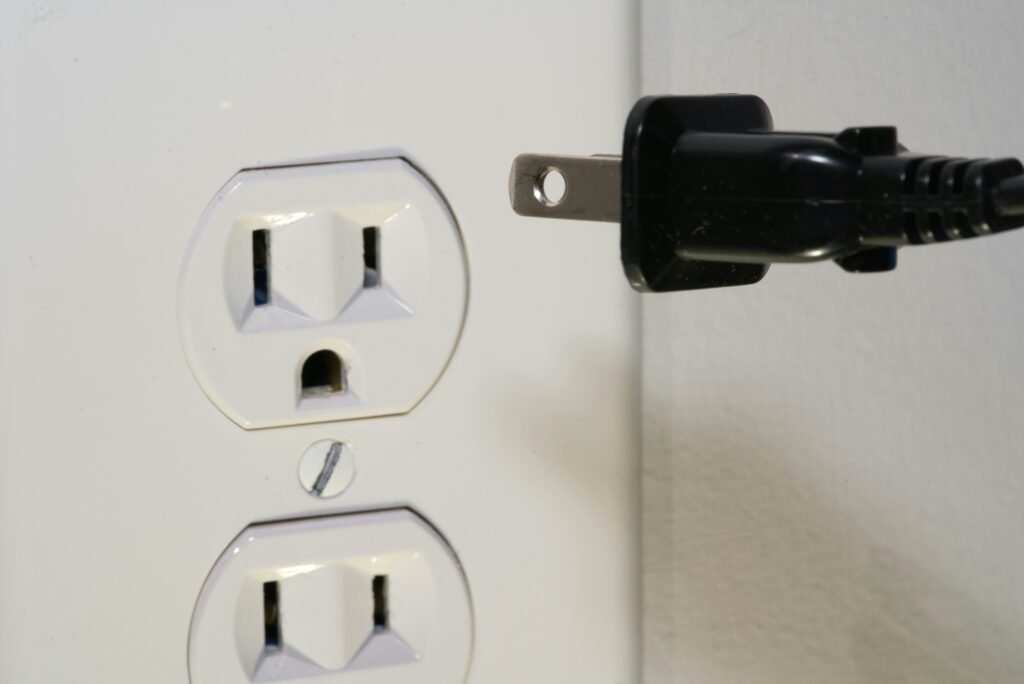
- Appliances: Unplug small electronics when not in use. Chargers, coffee makers, and TVs draw “phantom power” even when turned off.
Savvy Tip: Many utility companies offer free or discounted home energy audits. Schedule one before winter hits — it’s one of the easiest ways to find hidden savings.
2. Rethink Your Thermostat Habits
One of the biggest contributors to your energy bill is your heating system. Adjusting your thermostat by just a few degrees can make a noticeable difference.
- Aim for 68°F (20°C) when you’re home and awake, and lower it when you’re asleep or away.
- Use programmable or smart thermostats to automatically adjust temperatures based on your schedule.
- Add cozy layers: Keep throw blankets handy and wear warm socks indoors — comfort doesn’t always come from cranking the heat.
If you invest in a smart thermostat, you can save an average of 10–12% on heating bills each year, and most models pay for themselves within one season.
3. Seal the Leaks — and Keep Warmth Where It Belongs
Even the smallest draft can lead to major energy loss. Thankfully, fixing leaks is inexpensive and can make your home noticeably warmer.
- Weatherstrip windows and doors: Foam tape, door sweeps, and caulk are affordable fixes that reduce cold air infiltration.
- Close your fireplace damper: Warm air escapes quickly through an unused fireplace.
- Insulate outlets and light switches: You can buy low-cost foam gaskets that block drafts from exterior walls.
Savvy Tip: A simple candle test works wonders — hold a lit candle near window edges or door frames. If the flame flickers, there’s a draft.
4. Use Curtains Strategically
Your windows can work for you, not against you. Use them to help regulate indoor temperature naturally.
- During the day: Open curtains on south-facing windows to let sunlight warm your rooms.
- At night: Close them to keep the heat in and cold air out.
- Upgrade to thermal curtains: They’re inexpensive and can significantly improve insulation.
It’s a small change that often translates into real savings — especially for older homes with less efficient windows.
5. Cook Smart — and Let the Kitchen Work for You
Fall is the perfect time for hearty soups, casseroles, and roasted vegetables, but your cooking methods can also affect energy use.
- Batch cook: Make larger portions and reheat leftovers instead of turning on the oven every night.
- Use small appliances: Air fryers, toaster ovens, and slow cookers use less energy than a full-sized oven.
- Take advantage of oven heat: After baking, leave the door open a crack to warm your kitchen naturally.
- Skip the preheat when possible: Many dishes don’t need a full preheat cycle, especially casseroles or baked veggies.
Not only will you save electricity, but you’ll also end up with delicious, comforting meals for the week — a true win-win.
6. Layer Up Your Home Décor
Energy savings don’t always come from appliances — sometimes they come from design choices. Cozy, layered spaces naturally retain more warmth.
- Add area rugs to hardwood or tile floors to reduce heat loss.
- Use heavier curtains or drapes to block cold air at night.
- Rearrange furniture so seating isn’t placed directly against cold exterior walls or windows.
These touches make your home feel more inviting while helping your heating system work less.
7. Laundry Room Efficiency Hacks
The laundry room might not be the first place you think of for saving energy, but it’s full of opportunities.
- Wash clothes in cold water: Most detergents clean just as well without hot water.
- Clean the lint trap every time: It helps your dryer work efficiently and reduces fire risk.
- Hang-dry when possible: Clothes last longer, and you’ll save a surprising amount on electricity.
Savvy Tip: Try running laundry loads back-to-back. The dryer will already be warm, cutting overall drying time.
8. Adjust Your Water Heater Settings
Many water heaters are set higher than necessary, wasting both energy and money.
- Set your water heater to 120°F (49°C): This is warm enough for daily use but cuts down on unnecessary heating costs.
- Insulate your hot water tank: A $20 insulation blanket can reduce heat loss by up to 45%.
- Fix leaks promptly: A single dripping faucet can waste gallons of hot water per day — and your money along with it.
These tweaks are quick, inexpensive, and can lead to immediate monthly savings.
9. Don’t Forget the Outdoors
Even outdoor spaces can affect your home’s efficiency during fall and winter.
- Clean gutters: Clogged gutters can cause water buildup, leading to cold drafts and potential roof damage.
- Trim trees and shrubs: Prevent debris from blocking vents or outdoor HVAC units.
- Cover your A/C unit: A breathable cover prevents heat loss and extends your system’s life.
Little maintenance steps now can prevent big, costly repairs later.
10. Build New Energy-Saving Habits
The best way to keep your bills low long-term is through consistent habits. Small daily changes can have a big cumulative effect.
- Turn off lights when leaving a room.
- Unplug chargers and devices overnight.
- Run full loads in the dishwasher or laundry instead of small ones.
- Lower the thermostat slightly before bed.
Challenge yourself to pick two or three new habits each week — by the end of the season, they’ll feel effortless.
Final Thoughts
Saving energy this fall isn’t about living with less comfort — it’s about using what you have more efficiently. By making small, intentional changes, you’ll notice a difference not just in your monthly bill but also in how your home feels.
When you lower your energy use, you’re not just saving money — you’re also creating a more sustainable, thoughtful household. You’re learning to live seasonally: staying warm and cozy when it’s cold, finding joy in simplicity, and appreciating how small shifts can lead to big results.
So before the first frost hits, take an afternoon to seal up drafts, adjust your thermostat, and light a few candles. Cozy doesn’t have to cost a fortune — and with these simple energy-saving tips, you’ll keep your home comfortable and your wallet happy all season long.