
We’re letting you know that this post contains sponsored links which Your Savvy Purse receives compensation for, which may impact their order of appearance.
If you have spent any amount of time on Pinterest or TikTok lately, you have probably felt that familiar “aesthetic envy.” You see the perfectly organized digital planners, the minimalist wedding invitations with the flawless typography, and the “Sunday Reset” checklists that make life look like a curated film.
But in 2026, the savvy move isn’t just to buy these products; it’s to create them.
Digital design has officially transitioned from a niche technical skill to the ultimate “low-cost, high-reward” hobby. Whether you want to design printable wall art for your home office or build a side hustle selling digital planners on Etsy, the barriers to entry have never been lower. You don’t need an expensive design degree or a $3,000 laptop. You just need an eye for style and a savvy strategy.
Here is your guide to mastering digital design and turning your creativity into a passive income stream.
The 2026 Design Landscape: Why Now?
We are currently living in the era of “Intentional Productivity.” People are tired of clunky, generic apps; they want tools that feel personal and beautiful. This has created a massive boom in the digital goods market.
Why Printables and Digital Planners?
The “Savvy” Passive Income: Once a listing is live on Etsy, it can generate revenue while you are sleeping, hiking on your “Fit-Trip,” or working your 9-to-5.
Zero Overhead: Unlike physical products, you don’t have to carry inventory, deal with shipping delays, or worry about storage space. You create the file once and sell it an infinite number of times.
Instant Gratification: For the buyer, there’s no waiting. They click “buy,” download, and start their “glow-up” immediately.
Choosing Your Niche: The “Bento Box” Approach
In the world of Etsy, “generalized” is the enemy of “profitable.” To be successful in 2026, you need to apply the “Botanical Bento” logic: keep it small, curated, and highly specific.
The Planner Girlie
Don’t just make a “Planner.” Make a “Post-Grad Budgeting & Investment Tracker” or a “Cycle-Syncing Wellness Journal.” In 2026, people are looking for specialized tools that solve a specific problem in their lives.
The Celebration Specialist
Digital invitations (especially for text or WhatsApp) are huge. Focus on a specific aesthetic, like “Bourgeois Optimism” for baby showers or “Gothic Romance” for dinner parties. When you specialize in a vibe, you become the “go-to” shop for that specific community.
The Home Decor Hobbyist
Printable wall art is a savvy way for people to refresh their space on a budget. Focus on “Digital Gallery Wall” sets—groups of 3 to 5 prints that go together perfectly. It increases your average order value because people would rather buy the whole set than hunt for individual pieces.
The Savvy Toolkit: Pro Results on a Budget
You might think you need the entire Adobe Creative Cloud suite to be a “real” designer, but in 2026, the best tools are often the most accessible ones.
Canva (The All-Rounder): For 90% of digital creators, Canva is more than enough. It has evolved into a powerhouse for layout design, and their “Magic Resize” tool makes it easy to turn one invitation design into a poster, a social post, and a thank-you card in seconds.
Gemini & AI Tools: Use AI to help you brainstorm! If you’re stuck on a “Theme” for a planner, ask for a list of “2026 aesthetic trends.” You can even use AI to generate unique textures or color palettes that make your designs stand out from the generic templates.
Creative Fabrica or Creative Market: This is a savvy secret. Instead of drawing every flower or icon from scratch, buy “Commercial Use” graphics. For $10, you can get a bundle of 500 watercolor elements that you can use to build dozens of unique products.
The Design Process: From Vibe to Vector
How do you actually make something that people want to buy? It follows the same principles we use for our “Bourgeois” fashion layering: Structure + Texture + Intention.
Step 1: The Mood Board
Before you open a design app, go to Pinterest. Create a board for your specific project. Look for common threads: Are the fonts serif or sans-serif? Is the color palette earthy or neon? This “visual research” ensures your product fits the current 2026 market demand.
Step 2: The Layout (The “Skeleton”)
For planners and printables, hierarchy is king. Your most important information should be the largest. Use “white space” intentionally; a cluttered design feels stressful, and your customers are looking for organization and peace.
Step 3: Typography (The “Glow-Up”)
Typography is the “luxury accessory” of digital design. A basic font makes a planner look like a homework assignment. A carefully chosen, high-end font (think “minimalist-chic” or “vintage-calligraphy”) makes it look like a $40 boutique item.
Setting Up Your Etsy Shop: The Savvy Strategy
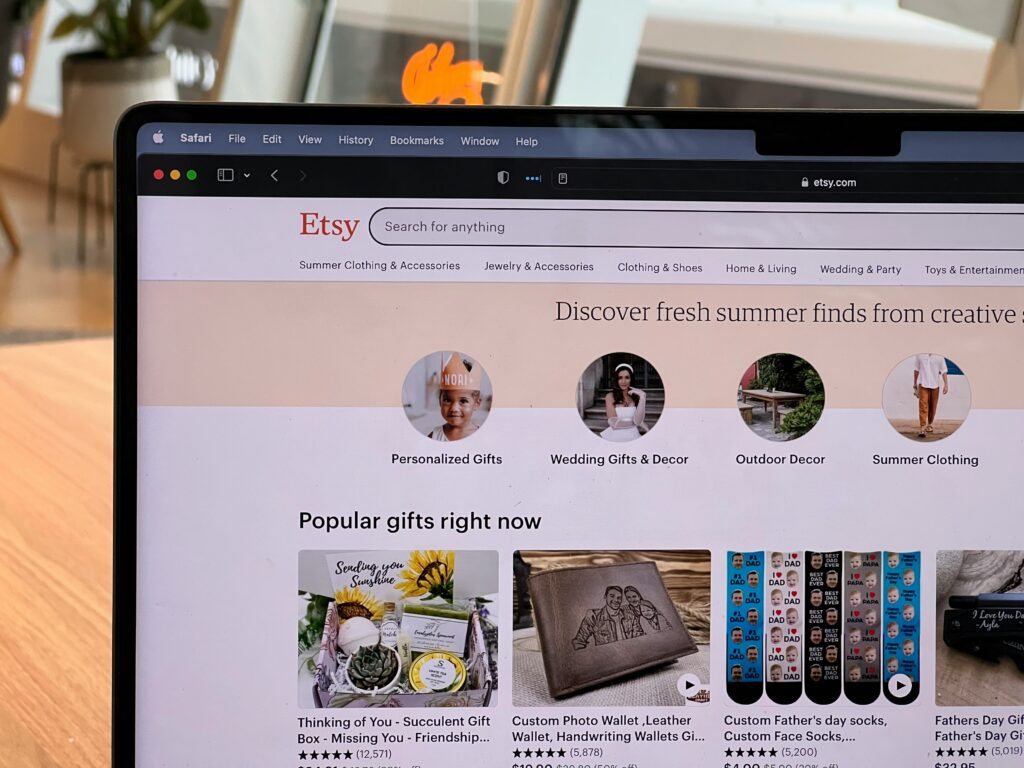
Opening a shop is easy; getting found is the hard part. In 2026, Etsy SEO (Search Engine Optimization) is about human intent.
- The “Real Language” Title: Instead of naming your product “Blue Planner,” name it “Digital Life Planner for iPad | 2026 Aesthetic Productivity Journal | Goodnotes Compatible.” You want to hit the keywords that people actually type into the search bar.
- The “Vibe” Photography: Since your product is digital, you need to show it in a “lifestyle” context. Use Mockups. Place your invitation design on a digital photo of a beautiful wooden table next to a cup of coffee. Show your planner being used on an iPad in a cozy bed. People aren’t buying a file; they’re buying the feeling of being organized.
- The “Savvy” Pricing: Look at your competitors. If the average price is $10, don’t list yours for $2. It makes people think the quality is low. List it for $12 and run a “Grand Opening” sale for 20% off. Everyone loves a deal!
The “Passive” Part of Passive Income
The real magic of digital design as a hobby is the “Snowball Effect.” Your first month, you might make $5. Your second, $20. But as you add more designs and collect 5-star reviews, Etsy’s algorithm starts to trust you.
By your six-month mark, those invitations you designed while watching Netflix on a Tuesday could be paying for your monthly “Money Date” wine or even your “Fit-Trip” gas money.
Savvy Tip: The “Bundle” Hack Once you have 10 individual products, bundle them all together as a “Whole Shop Access” pass for a higher price point (like $50). It’s the ultimate value for the customer and a massive “win” for your savvy purse.
Final Thoughts
Digital design is more than just a way to make money; it’s a way to reclaim your creativity in a digital world. It allows you to take the “Aesthetic Glow-Up” ideas in your head and turn them into something tangible that helps other people live better, more organized lives.
You don’t need to be an expert to start. You just need to be a “Savvy Learner.” Start with one simple checklist, one pretty invitation, or one basic daily planner. The world of 2026 is waiting for your unique vision—and your bank account will thank you for the extra “slay.”