

We’re letting you know that this post contains sponsored links which Your Savvy Purse receives compensation for, which may impact their order of appearance.
For years, macro-counting and fitness optimization have been entirely dominated by one single nutrient: protein. From high-protein snack bars and fortified beverage powders to meal prep containers stacked exclusively with chicken breasts and white rice, the collective wellness culture has operated on a clear, unyielding assumption: more protein equals more health. But as we navigate the lifestyle landscape, an essential, game-changing realization is completely restructuring our plates. While protein remains foundational for muscle repair, our single-minded fixation on it has left a massive, glaring vulnerability in our overall well-being. The true frontier of vitality isn’t just muscular—it’s microbiome-centric.
Across wellness communities, culinary circles, and digital data metrics, a powerful new phrase has taken hold: “Fiber is the new protein.” Driven by the viral, science-backed #fibermaxxing movement, we are waking up to the fact that over 90% of adults are living in a chronic fiber deficit.
When you strip fiber away from your diet to focus purely on isolated protein macros, your gut microbiome undergoes a quiet starvation. Your digestion stalls, systemic inflammation creeps upward, and you miss out on nature’s ultimate tool for long-term satiety and metabolic stability.
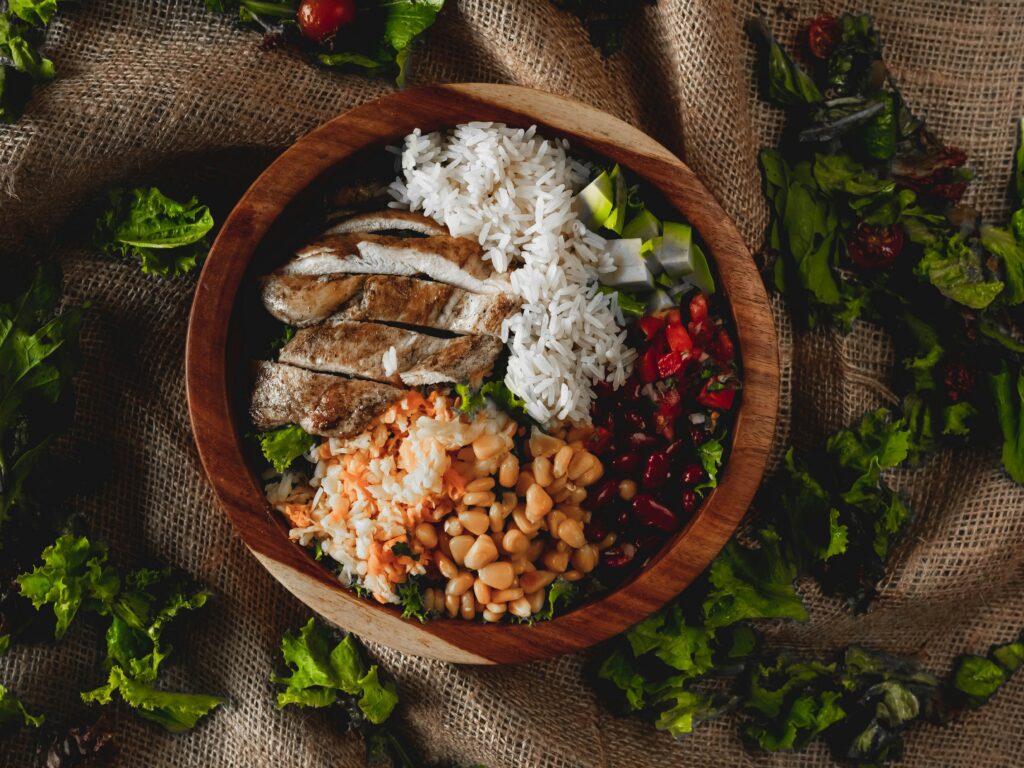
The goal of modern, intentional nutrition isn’t to replace your lean proteins, but to pair them with high-performing, prebiotic fibers that feed your beneficial gut bacteria. The perfect vehicle for this nutritional power couple is the Gut-Health Power Bowl.
By layering ancient grains, high-texture cruciferous greens like broccolini, and healthy fats like avocado alongside clean, premium proteins, you can design a satisfying, crave-worthy masterpiece. Here is your 1,200-word tactical blueprint to building the ultimate fiber-first power bowl.
1. The Anatomy of Satiety: The Science of Fiber and GLP-1
To appreciate why fiber has taken the wellness crown, we must look at how it operates within your digestive tract. Fiber is a complex carbohydrate that your body cannot physically digest or absorb. Instead, it moves through your stomach and small intestine relatively intact, performing two critical, life-altering functions:
- The Soluble Gel Effect: Soluble fiber (found abundantly in avocados, oats, and legumes) absorbs water to create a thick, gel-like substance that slows down gastric emptying. This stabilizes your blood sugar curve, completely eliminating the rapid insulin spikes and mid-afternoon energy crashes caused by low-fiber meals. Furthermore, it naturally stimulates the body’s production of GLP-1—the primary satiety hormone that regulates appetite and signals a deep, long-lasting sense of fullness to your brain.
- The Insoluble Sweep: Insoluble fiber (the structural grid found in broccolini and whole grains) doesn’t dissolve. It acts as an organic, mechanical sweep for your gastrointestinal system, supporting optimal transit time, cleansing the colon, and providing the physical substrate that healthy gut colonies need to multiply and thrive.
When you construct a power bowl focused on this dual-action fiber matrix, you change the parameters of healthy eating. You move away from the culture of deprivation and step into an era of nourishing abundance.
2. The Five Layers of the Ultimate Fiber Power Bowl
To keep your power bowls from tasting like a bland health chore, you must construct them with a deliberate hierarchy of textures, temperatures, and flavor notes. Use this five-layer structural blueprint to guide your culinary prep:
Layer 1: The Ancient Grain Base (The Fiber Foundation)
Ditch the traditional white rice or processed grain bases, which have been stripped of their bran and germ layers. Instead, anchor your bowl with 1/2 cup of nutrient-dense ancient grains.
- The All-Stars: Farro, black barley, sorghum, or a tricolor quinoa blend.
- The Fiber Play: One cup of cooked farro delivers a staggering 7 grams of dietary fiber, vastly outperforming brown rice. These grains provide a nutty, toothsome texture that forces you to chew more slowly, aiding the initial phase of enzymatic digestion.
Layer 2: The Volumetric Green Grid (The Prebiotic Engine)
This is where we achieve the high-vibe visual layout and core fiber volume of the bowl.
- The All-Star:Broccolini. Sweeter and more tender than traditional broccoli, a single serving of charred broccolini provides an abundant dose of insoluble fiber, sulforaphane (a powerful cellular antioxidant), and vitamins A and C.
- The Execution: Toss the broccolini spears in olive oil, sea salt, and minced garlic, and char them on a hot cast-iron skillet for 5 minutes until the florets are crisp and smoky.
Layer 3: The Healthy Fat Anchor (The Satiety Multiplier)
- The All-Star:Avocado. While widely celebrated for its rich monounsaturated fats, the avocado is secretly a massive, quiet fiber powerhouse. One single avocado delivers roughly 10 grams of fiber, primarily of the gut-soothing soluble variety.
- The Execution: Fan out half a sliced avocado across the top of your grain base to bring a silky, luxurious contrast to the crunchy greens.
Layer 4: The Clean, Lean Protein (The Muscle Companion)
Remember: fiber isn’t replacing protein—they are becoming the ultimate wellness power couple.
- The Options: 4 ounces of grilled, pastured chicken breast, wild-caught shrimp, or crispy seared organic tempeh cubes. Keep the seasoning clean and simple—think smoked paprika, dried oregano, and lemon juice—so it complements the rich flavors of the bowl without competing for attention.
Layer 5: The Functional Dressing & Crunch (The Finisher)
A power bowl requires a cohesive sauce to bind the dry grains and fresh produce together.
- The Dressing: Whisk raw tahini (ground sesame seeds) with fresh lemon juice, garlic powder, a splash of warm water, and a drizzle of raw honey. Tahini is packed with healthy lipids and copper, acting as an organic flavor sponge for the bowl.
- The Crunch: Sprinkle a tablespoon of toasted pepitas (pumpkin seeds) or raw hemp hearts across the surface to add an extra layer of zinc, magnesium, and prebiotic texture.
3. The “Slow and Steady” Rule of Fiber Integration
If your current daily routine relies heavily on low-fiber convenience foods, your gut microbiome will lack the specific enzyme populations required to instantly process a 40-gram fiber influx. If you go from 0 to 100 on your very first day, your gastrointestinal tract will rebel—resulting in intense bloating, gas, and digestive discomfort.
To execute a flawless, sustainable gut-health reset, respect the Slow and Steady Protocol:
- Ramp Up Over 10 Days: Start by integrating just one fiber-first power bowl every other day, allowing your internal microbiome colonies to naturally scale their populations to meet the new demand.
- Hydrate Intentionally: Fiber acts like a dry sponge inside your colon; it requires significant water to expand and move smoothly through your system. When you step up your fiber metrics, you must increase your daily water intake proportionally to protect your internal comfort.
Final Thoughts
The “Fiber is the New Protein” movement is a beautiful, necessary return to foundational nutritional logic. It proves that a truly vibrant, high-energy lifestyle cannot be achieved by obsessing over a single macro in a laboratory tube. True health requires a holistic approach—one that honors your lean muscle mass while simultaneously feeding the trillions of microscopic gut allies that dictate your mood, your immunity, and your metabolic longevity.
Stop settling for boring, uninspired salads or heavy, fat-clogged meals that leave you feeling sluggish by mid-afternoon. Gather your ancient grains, char your broccolini, slice your avocado, and build an intentional power bowl that leaves your body feeling strong, light, and beautifully sustained from the inside out.