
We’re letting you know that this post contains sponsored links which Your Savvy Purse receives compensation for, which may impact their order of appearance.
You know the feeling: it’s 3 p.m., your energy has quietly disappeared, and suddenly a bag of chips or a candy bar feels like the only thing standing between you and getting through the rest of your day. An hour later, you’re just as tired — sometimes more so — and reaching for something else.
That cycle isn’t a willpower problem. It’s usually a snacking strategy problem. Here’s how to snack in a way that actually keeps your energy steady instead of sending it on a rollercoaster.
Why Some Snacks Make Energy Crashes Worse
Snacks high in refined sugar or simple carbs spike your blood sugar quickly — which feels great for about twenty minutes, then triggers an equally fast drop that leaves you more tired than before you ate.
Do this: Notice which snacks leave you crashing an hour later versus which ones keep you steady. That pattern is more useful than any generic snack list, because it tells you what your body specifically responds to.
Pair Carbs With Protein or Fat Every Time
Carbohydrates alone digest quickly, which is part of what causes that fast rise-and-fall energy pattern. Adding protein or fat slows digestion and stretches out your energy instead of spiking it.
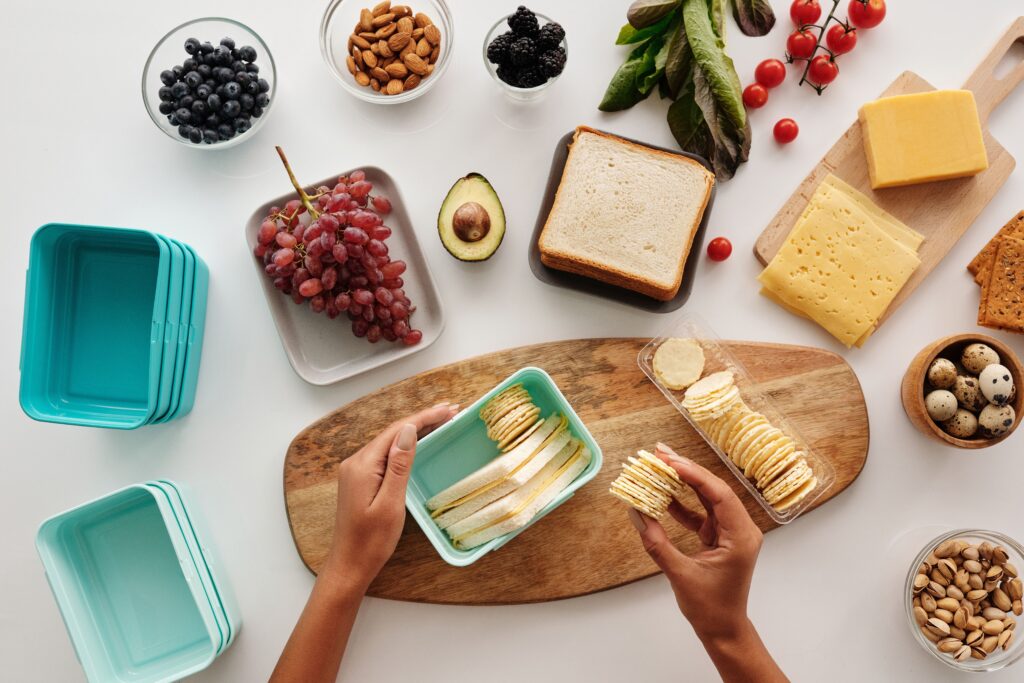
Try this: Turn simple snacks into balanced ones — apple slices with peanut butter instead of apple alone, crackers with cheese instead of crackers alone. The small addition makes a noticeable difference in how long the snack actually holds you over.
Keep a “Grab and Go” Stash Ready
Energy crashes often lead to bad snack choices simply because the convenient option is whatever’s closest — usually something processed and sitting out on the counter.
Do this: Prep a stash of balanced, ready-to-grab snacks once a week — hard-boiled eggs, portioned nuts, cut vegetables with hummus. When the 3 p.m. slump hits, you’ll reach for what’s easiest, so make the easiest option the one that actually helps.
Watch Your Portion Sizes, Not Just Your Choices
Even a “healthy” snack can leave you sluggish if you eat a portion sized more like a meal — your body still has to work hard to digest a large volume of food at once.
Try this: Aim for snacks in the 150–250 calorie range for a genuine energy boost without the heavy, sleepy feeling that comes from overeating between meals. A small handful, not a full bowl, is usually the sweet spot.
Don’t Skip Hydration as Part of Your Snack Routine
Mild dehydration mimics the exact same symptoms as an energy crash — sluggishness, brain fog, difficulty concentrating — which means sometimes what feels like hunger is actually thirst.
Do this: Drink a full glass of water before reaching for a snack, then wait a few minutes. If the tired, foggy feeling doesn’t ease up, that’s your cue that you’re actually hungry and it’s time to eat.
Time Your Snacks Around Your Actual Schedule
Waiting too long between meals is one of the most common reasons for a hard energy crash — your blood sugar drops low enough that any snack choice becomes more about damage control than steady energy.
Try this: Build in a snack roughly every 3–4 hours instead of waiting until you’re already running on empty. A well-timed, moderate snack prevents the crash that leads to reaching for something less balanced out of desperation.
Build a Rotation of Go-To Combinations
Decision fatigue is real, and having to think through a “perfect” snack every single time makes it far more likely you’ll default to whatever’s fastest and least helpful.
Do this: Keep a short mental list of five reliable combinations you enjoy — Greek yogurt with berries, string cheese with grapes, trail mix with a piece of fruit. Having go-to options removes the guesswork on busy days.
Choose Snacks That Travel Well
If your energy crash tends to hit while you’re out running errands or in the car, having nothing on hand often means settling for whatever’s available at a gas station or vending machine.
Try this: Keep shelf-stable options in your bag or car — nut butter packets, whole-grain crackers, dried fruit with nuts. Having something with you removes the temptation of convenience-store defaults when you’re caught off guard.
Pay Attention to Caffeine Timing
Reaching for coffee or an energy drink during an afternoon slump can help temporarily, but timed poorly, it can also interfere with your sleep — which sets you up for tomorrow’s crash before today’s is even over.
Do this: If you rely on caffeine for an afternoon boost, aim to have it before 2 p.m. so it doesn’t affect your ability to fall asleep later. Pairing a smaller amount of caffeine with a balanced snack often works better than caffeine alone.
Notice Emotional Snacking Versus Actual Hunger
Sometimes an afternoon snack craving is less about energy and more about stress, boredom, or simply needing a break — and recognizing that difference helps you respond to what you actually need.
Try this: Before snacking, ask yourself honestly: “Am I tired and hungry, or am I stressed and want a distraction?” If it’s the latter, a five-minute walk or a change of scenery might solve it just as well as food would.
Let Snacks Be Enjoyable, Not Just Functional
Snacking smarter doesn’t mean every snack needs to be perfectly optimized — enjoying your food matters too, and rigid rules tend to backfire the same way overly strict diets do.
Do this: Build in room for snacks you simply enjoy, even if they’re not the most “balanced” option, especially on weekends or lower-stress days. A sustainable snacking pattern includes pleasure, not just performance.
The Bottom Line
Beating the afternoon energy crash isn’t about cutting out snacks — it’s about choosing and timing them with a little more intention. Pair carbs with protein, keep balanced options within easy reach, and pay attention to what your body responds to best. A few small shifts in how you snack can mean the difference between dragging through your afternoon and actually feeling steady until dinner.