

We’re letting you know that this post contains sponsored links which Your Savvy Purse receives compensation for, which may impact their order of appearance.
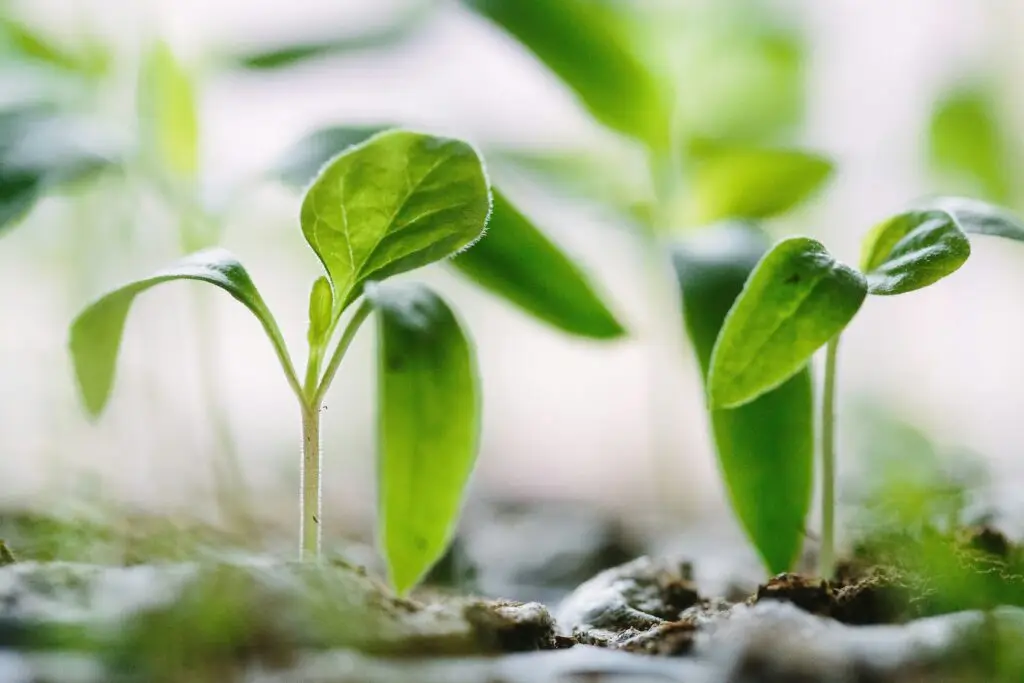
Spring planting is about more than pretty flowers and fresh vegetables. When approached with a little planning, it can also be a smart financial move. Whether you’re working with a backyard garden, raised beds, containers, or even a few pots on a patio, spring planting offers an opportunity to reduce grocery costs, avoid impulse spending, and make better use of what you already have.
The key is shifting from the idea of “starting a garden” to “building a system that supports your budget.”
Start With a Plan, Not a Shopping Cart
Spring garden centers are designed to tempt you. Rows of plants, tools, and accessories can quickly turn a simple idea into an expensive outing. Before buying anything, it helps to decide what you actually want from your garden.
Think about what your household uses regularly. Planting foods you already buy often makes far more sense than planting what simply looks appealing. A small, focused garden that fits your lifestyle is easier to maintain and far less costly than an oversized one that becomes overwhelming.
Grow What Saves You the Most Money
Not all plants offer the same return. Some vegetables and herbs are inexpensive at the store, while others add up quickly over time. Spring is the ideal season to plant items that tend to be costly when purchased fresh.
Herbs are a perfect example. A few small plants can provide months of use for the price of a couple store-bought packages. Leafy greens, tomatoes, peppers, and green onions also offer strong value and are commonly used in everyday meals.
Use Seeds Strategically to Stretch Your Budget
Seeds are one of the most affordable ways to start a spring garden, especially for vegetables and herbs. While seedlings can save time, seeds allow you to grow more plants for significantly less money.
Starting seeds indoors or directly in the ground also gives you control over timing and quantity. You avoid overbuying and can plant exactly what you’ll use, reducing waste and unnecessary spending.
Reuse What You Already Have
You don’t need brand-new containers, raised beds, or tools to plant in spring. Many household items can be repurposed for gardening with minimal effort.
Old pots, buckets, storage bins, and even sturdy food containers can work well with proper drainage. Reusing what you already own keeps startup costs low and prevents unnecessary purchases that often feel required but aren’t.
Improve Soil Now to Save Later
Healthy soil reduces the need for fertilizers, pest control, and plant replacements. Spring is the best time to enrich soil naturally using compost, leaves, and organic matter.
Making your own compost from kitchen scraps and yard waste not only saves money but also reduces household trash. Over time, better soil leads to stronger plants and higher yields, which means more value from the same space.
Plant With Maintenance Costs in Mind
A garden should support your budget, not create extra expenses. Choosing plants that match your climate and sunlight reduces the need for extra watering, fertilizers, and pest treatments.
Native plants and hardy vegetables often require less care and are more resilient. Less maintenance means lower ongoing costs and a garden that fits easily into daily life.
Plan for Ongoing Harvests, Not One-Time Results
Spring planting is most cost-effective when it leads to repeated harvests. Many vegetables continue producing if picked regularly, offering weeks or even months of fresh food.
Succession planting, where you plant small amounts at intervals, helps ensure steady yields without excess. This approach reduces waste and stretches the value of your seeds and space.
Avoid Overplanting
It’s easy to plant too much in spring, especially when enthusiasm is high. Overplanting often leads to wasted food, neglected plants, and frustration.
A smaller, manageable garden tends to be more productive and less expensive in the long run. It allows you to focus on care and enjoy the benefits without feeling overwhelmed.
Let Gardening Replace Some Store Trips
One of the biggest savings from spring planting comes from fewer grocery runs. Having fresh produce available at home can reduce impulse purchases and make meal planning easier.
Even a modest garden can supplement meals and encourage cooking at home, which naturally supports better spending habits.
Think of Spring Planting as a Long-Term Investment
Spring planting isn’t about immediate results. It’s about building something that supports your household throughout the season and beyond.
With thoughtful planning, reuse of materials, and intentional choices, planting in spring becomes less about spending and more about saving — saving money, saving time, and reducing waste while enjoying the process.