
We’re letting you know that this post contains sponsored links which Your Savvy Purse receives compensation for, which may impact their order of appearance.
Hobbies are meant to bring joy, relaxation, and a sense of purpose, but they can quietly become expensive over time. Whether it is crafting, fitness, photography, cooking, or another interest, costs can add up through supplies, upgrades, and impulse purchases.
The good news is that enjoying hobbies does not require constant spending. With a thoughtful approach, you can continue doing what you love while keeping your budget intact and avoiding unnecessary expenses.
Focus on One Hobby at a Time
One of the easiest ways hobby spending gets out of control is by trying to do too many things at once. Each new interest often comes with startup costs, tools, and supplies.
Focusing on one main hobby allows you to fully use what you already own and avoid spreading your budget too thin. You can always explore new interests later once you feel satisfied with your current one.
Use What You Already Have Before Buying More
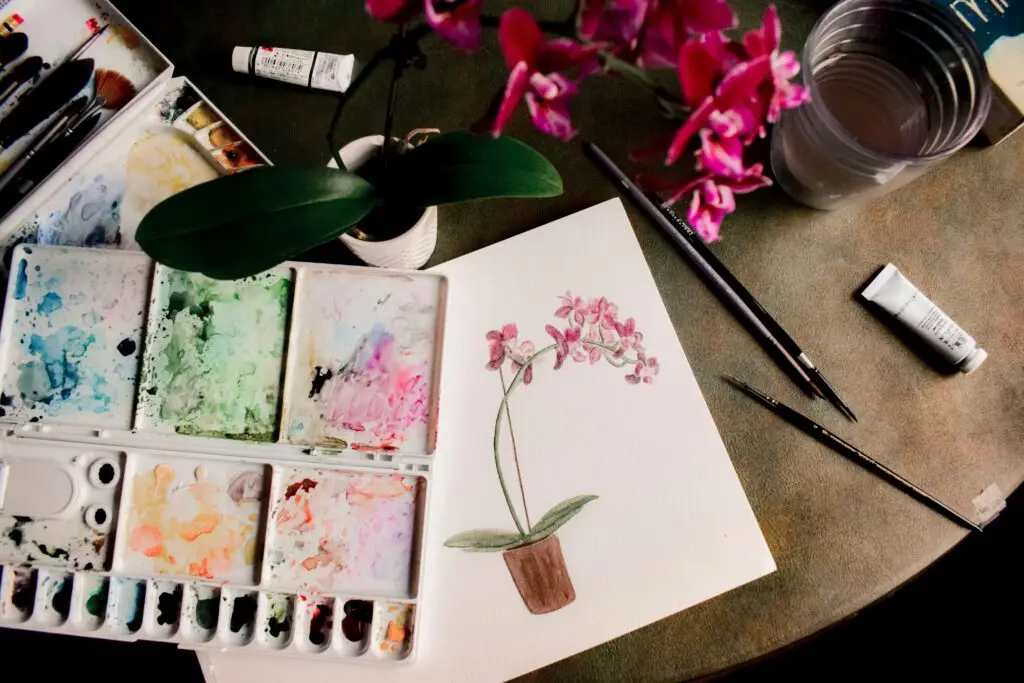
Many people already own more hobby supplies than they realize. Extra yarn, unused art supplies, half-finished kits, or forgotten equipment often sit unused while new items are purchased.
Taking inventory before buying anything new helps you avoid duplicates and reminds you of what you already enjoy. Using what you have first stretches your hobby budget further and reduces clutter.
Set a Small Monthly Hobby Budget
Hobbies feel harmless because purchases are often small, but frequent spending can add up quickly. Setting a modest monthly limit helps keep spending intentional.
Having a budget does not take the fun out of a hobby. Instead, it encourages thoughtful choices and helps you enjoy your hobby without guilt or financial stress.
Look for Secondhand or Borrowed Supplies
Many hobby supplies can be purchased secondhand for a fraction of the cost. Thrift stores, online marketplaces, community groups, and local buy-and-sell pages often have gently used items available.
Borrowing tools or equipment from friends or family is another way to try something new without committing to a full purchase. This is especially helpful for hobbies you are still exploring.
Avoid Constant Upgrades
It is easy to believe that better tools or newer supplies will automatically improve your hobby experience. In reality, many people can enjoy their hobby just as much with basic equipment.
Upgrading only when something truly limits your enjoyment helps prevent unnecessary spending. Skill and consistency often matter more than having the latest or most expensive items.
Take Advantage of Free or Low-Cost Learning
Classes, workshops, and tutorials can enhance a hobby, but they do not have to be expensive. Many libraries, community centers, and online platforms offer free or low-cost learning options.
Using free resources allows you to grow your skills without adding to your expenses. Learning slowly and steadily often leads to more lasting enjoyment.
Be Mindful of Hobby-Related Impulse Purchases
Hobby stores and online shops are designed to encourage impulse buying. Limited-time offers and “must-have” items can make it hard to stick to a budget.
Pausing before purchasing gives you time to decide if the item truly adds value to your hobby. Often, the urge to buy passes, and you realize you did not need it after all.
Choose Hobbies That Offer Long-Term Value
Some hobbies naturally cost less over time because they rely more on skill than supplies. Reading, walking, gardening, writing, and cooking at home are examples of hobbies that can stay affordable.
Choosing hobbies that align with your budget helps ensure you can enjoy them consistently without financial strain.
Balance Enjoyment With Practicality
Hobbies should add joy, not pressure. If a hobby starts to feel stressful due to cost, it may be time to simplify or adjust how you approach it.
Finding balance allows you to continue enjoying your interests while still prioritizing your overall financial well-being.
Final Thoughts
Hobbies are an important part of a fulfilling life, but they do not need to be expensive to be meaningful. With a little intention and awareness, you can enjoy your favorite activities without overspending.
By focusing on what you truly enjoy, using what you already have, and setting gentle limits, hobbies can remain a positive and affordable part of your routine. The goal is to support your happiness while still protecting your financial peace.