
We’re letting you know that this post contains sponsored links which Your Savvy Purse receives compensation for, which may impact their order of appearance.
We have all experienced that specific, overwhelmed feeling that comes with staring into a completely packed closet. The hangers are crowded with pieces you bought on a whim during a late-night online shopping scroll, sale-rack items you picked up because they were a good deal, and passing fast-fashion trends that felt incredibly exciting on social media three months ago but feel entirely flat today. You are surrounded by garments, yet when it is time to get dressed for dinner or a high-stakes meeting, your brain completely stalls. You throw your hands up and utter the universal fashion lament: “I have absolutely nothing to wear.”
The root cause of this wardrobe paralysis isn’t a lack of clothing; it is a lack of cohesive aesthetic clarity.
In an era dominated by hyper-accelerated trend cycles—where we are bombarded by a non-stop rotation of micro-aesthetics like “Poetcore,” “Dockside Americana,” or “Sport-Luxe Street Style”—it is remarkably easy to lose your footing. We buy individual, disconnected garments rather than building a unified style language. We try to copy what we see on our feeds, resulting in a fractured wardrobe that feels more like a collection of random costumes than a reflection of who we are.
To build a wearable capsule wardrobe and stop wasting money on items that collect dust, you need a visual filter. You need a tool that allows you to experiment with shapes, silhouettes, and color palettes in a risk-free digital sandbox before you ever step foot inside a boutique.
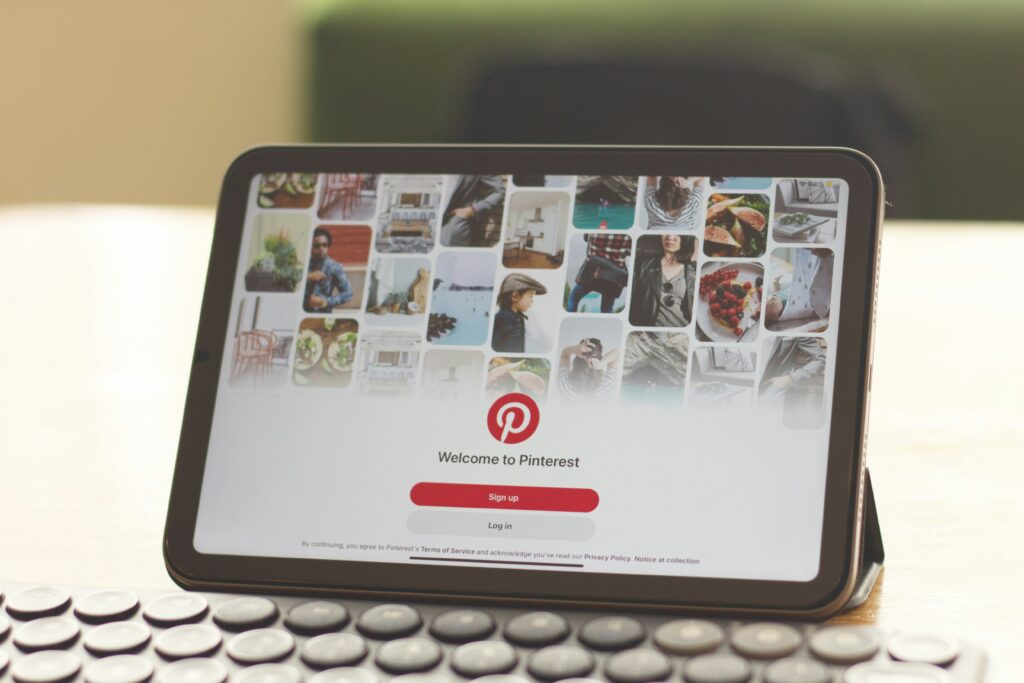
The ultimate platform for this design project is Pinterest.
However, casually scrolling through the home feed and hitting the save button on pretty pictures won’t cut it. To uncover your genuine style DNA, you have to approach Pinterest like a professional creative director.
Here is your tactical manual to breaking out of algorithm traps, curating high-yield style boards, decoding your subconscious visual patterns, and executing a flawless digital-to-closet translation.
1. The Algorithm Trap: Breaking Out of the Echo Chamber
Before you type a single word into the search bar, you must understand a fundamental flaw in how the Pinterest algorithm handles fashion inspiration. Pinterest is engineered to optimize for instant engagement, which means its default setting is to show you the same highly recycled, mass-market style pins over and over again.
If you casually search for general terms like “fall outfits” or “casual chic style,” the platform will flood your feed with generic, pristine imagery of hyper-trendy, often impractical looks worn by identical body types.
If you don’t actively train the search engine, you will fall into an aesthetic echo chamber. True personal style is found by being ruthlessly specific with your linguistic inputs.
To bypass the generic clutter and unearth hidden gems that match your actual lifestyle, body structure, and age, you must use highly targeted keyword strings.
Instead of searching for “summer clothing,” try pairing structural constraints with a specific cultural vibe. Use terms like “90s minimalist street style neutral” or “petite linen blazer lookbook.” If you want to lean into current movements, search for specific cultural micro-trends like “Poetcore oversized blazers” or “Dockside Americana navy stripes.” By forcing specificity onto the search bar, you command the algorithm to deliver highly curated, diverse visual data that feels considered rather than mass-produced.
2. The Pin-Then-Prune Protocol: Engineering the Perfect Moodboard
To discover your core aesthetic, you need to establish a two-phase curation system that balances creative freedom with strict editing. Treat your style board like an elite art gallery: many pieces are auditioned, but only a selective few earn a permanent frame on the wall.
Phase 1: The Dopamine Dump (Quantity Over Quality)
Create a brand-new, completely blank board and give it a functional title. For the first 72 hours, practice complete creative abundance. Whenever you browse the app and an image gives you a distinct psychological spark—whether it is the crisp tailoring of a trench coat, the moody lighting of an editorial shoot, or the way a silk scarf is knotted around a bag—pin it instantly.
Do not pause to ask if the outfit is practical, if you can afford it, or what category it fits into. At this stage, your only goal is to bypass your logical mind and gather a rich, unedited pool of at least 50 to 100 visual assets.
Phase 2: The Ruthless Editorial Prune
Once your board is populated, change your role from a collector to a cynical editor. Sit down on a weekend morning, view your board as a collective grid, and scan it for recurring structural denominators. Look closely past the individual items and notice the macro-patterns that connect your choices:
- The Color Hierarchy: Look at the dominant color stories. Are your pins consistently filled with earthy, serene tones like Jade and sage green, or are you subconsciously drawn to high-contrast, moody depths like Plum Noir and charcoal?
- The Silhouette Blueprint: Notice the structural proportions of the clothing. Are the lines oversized, slouchy, and relaxed, or are you pinning tailored, structured, sharp silhouettes with heavily defined waists and sculpted shoulders?
- The Texture Palette: Identify the tactile weight of the fabrics. Do your images feature rigid, heavy textiles like raw denim, tweed, and corduroy, or are they anchored by fluid, lightweight textures like satin, lace details, and fine knits?
Now, execute the purge. Delete any pin that feels like an outlier, even if you think the image is pretty. If you have 40 pins showing minimalist, clean-lined tailored suits and 3 pins showing bohemian floral maxi dresses, delete the dresses. Those outliers represent passing whims, not your core identity. Your final, polished board should look like a highly cohesive, unified brand catalog where every single image shares a common visual thread.
3. The Digital-to-Physical Translation: Auditing Your Real-World Closet
A flawless Pinterest aesthetic is completely useless if it remains trapped behind a glass screen. The true test of your style journey is converting that digital moodboard into a highly functional, real-world wardrobe that honors your actual environment and day-to-day routine.
| Pinterest Ideal | The Real-World Reality Check | The Closet Compromise |
| High-Fashion Velvet Capes & Avant-Garde Layers | You work remotely from home and walk a dog twice a day. | Invest in high-texture, premium knit oversized cardigans in rich, dark colorways. |
| Pristine, All-White Linen Monochromatic Tailoring | You commute via public transit and live in a high-rain climate. | Adopt a Cool Blue or stone-gray palette in structured, water-resistant trench silhouettes. |
Take your smartphone into your physical closet, open your finalized Pinterest board, and perform a reality-gap audit. Look at your top five most pinned outfit combinations. Do you already own the foundational basics to recreate them?
If your board is anchored by tailored blazers layered over high-waisted wide-leg trousers, but your current physical closet is filled entirely with skinny jeans and casual hoodies, you have successfully located your style friction point.
Do not go out and buy an entirely new wardrobe on a credit card. Instead, create a targeted, intentional shopping list based exclusively on the missing architectural links of your board. Buy one high-quality, perfectly fitting neutral blazer. Invest in one pair of trousers that mimics the silhouette of your pins. By using your curated Pinterest aesthetic as a strict gatekeeper for future purchases, you eliminate unmindful consumer spending and slowly steer your wardrobe into beautiful, minimalist alignment.
Final Thoughts
Using Pinterest to discover your style aesthetic is an empowering act of modern lifestyle resourcefulness. It proves that developing personal style does not require you to constantly chase transient trends or buy into the loud marketing machines of the fashion industry. By treating the platform as a data-driven search engine, allowing yourself to pin without judgment, and then ruthlessly editing your collections down to their core elements, you reclaim total authority over how you show up to the world.
Step away from the unmindful consumption cycle this weekend. Open a fresh board, refine your search terms, decode your internal visual language, and build a timeless, authentic style blueprint that makes getting dressed the easiest, most confident part of your day.