

We’re letting you know that this post contains sponsored links which Your Savvy Purse receives compensation for, which may impact their order of appearance.
We have all experienced that jarring, unmindful moment at the end of a long, demanding day. You come home from work, step into your living room or kitchen, and out of pure habit, you flip on the main wall switch. Instantly, the room is flooded with a blinding, aggressive glare from a grid of recessed ceiling bulbs or a central overhead fixture. The light bounces off your floors, accentuates every speck of dust on your countertops, and feels like a harsh, interrogating interrogation beam.
In that single second, any lingering sense of evening peace is completely shattered. Your brain, which was trying to slow down, receives a sudden biological signal that it is high noon, instantly driving your stress and cortisol levels back up into a state of alert.
For decades, modern home design has operated under a flawed assumption: that good lighting means lighting up every square inch of a room uniformly from above. We have been taught to install endless grids of recessed “can” lights and bright, high-wattage ceiling fixtures that mimic the sterile environment of an office cubicle or a hospital corridor.
But a massive, beautiful design rebellion has taken hold of our living spaces. It is called the Anti-Overhead Light Movement.
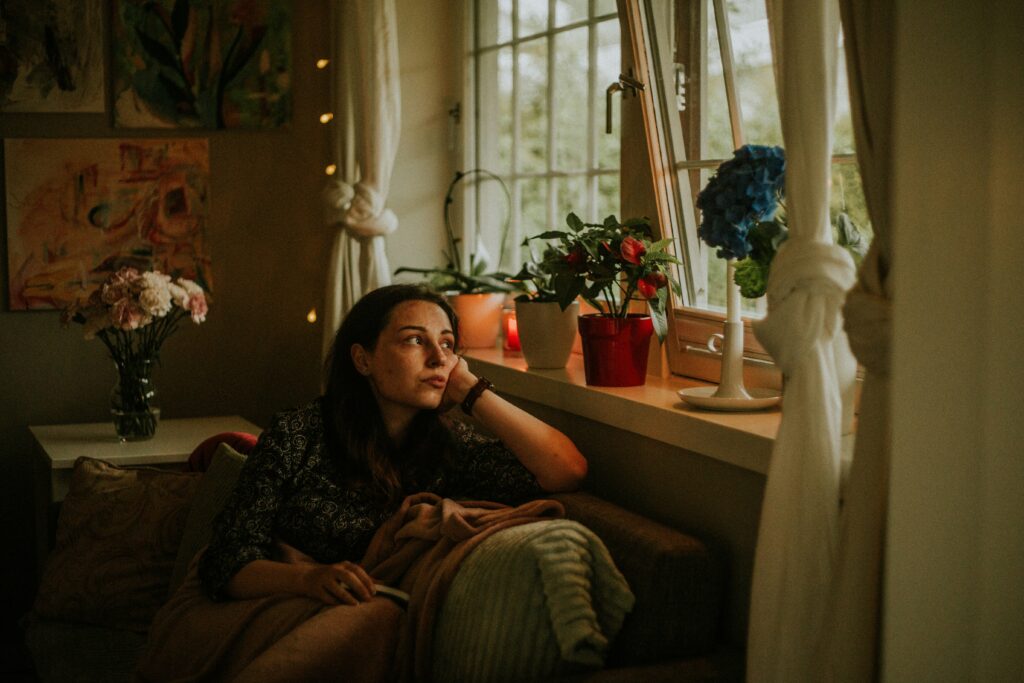
Driven by an obsession with interior wellness and emotional coziness, design enthusiasts are permanently turning away from the harsh ceiling switch. The goal of modern, intentional home lighting isn’t to blast a room with raw visibility, but to create a luxurious, low-stimulation evening sanctuary using layers of low-angle, warm-spectrum light.
By strategically mixing cordless amber glass lamps, hidden under-cabinet LED strips, and low-profile floor lighting, you can completely transform the emotional tone of your home at dusk.
Here is your design blueprint to mastering the anti-overhead movement, lower your stress levels naturally, and making your home look incredibly expensive without ever touching a ceiling switch.
1. The Biology of the Downshift: Why Overhead Light Fails
To appreciate why overhead lighting feels so inherently uncomfortable in the evening, we have to look at the evolutionary science of our eyes. Human biology is hardwired to respond to the natural movement of the sun. For thousands of years, daytime meant intense, blue-spectrum light coming from directly above. Conversely, evening meant the soft, low-angle, warm orange glow of a campfire sitting on the ground.
Our brains are deeply sensitive to the angle and spectrum of light. When you illuminate a room from the ceiling using cool white light, you trigger specific photoreceptors in your retinas that instantly suppress the production of melatonin—the primary hormone responsible for winding down and initiating sleep.
Overhead light forces your eyes to stay in a state of constant focus and hyper-vigilance.
By shifting your light sources from the ceiling down to eye level and below, you work in perfect harmony with your biology. Low-angle lighting tells your central nervous system that the day is officially ending, allowing your heart rate to slow, your muscles to release tension, and your mind to drift into a peaceful, restorative parasympathetic state.
2. The Three Layers of the Low-Stimulus Sanctuary
To design an expensive, high-end mood without using ceiling lights, you must construct your environment using a deliberate hierarchy of overlapping textures and warm tones. Use these three essential layers to build your evening lighting grid:
Layer 1: Cordless Amber Glass Lamps (The Eye-Level Focus)
The absolute hero of the anti-overhead movement is the modern, rechargeable cordless lamp, specifically those featuring thick, tinted amber or smoked glass shades.
- The Design Play: Because these lamps run on internal lithium-ion batteries, you are no longer restricted by the location of your wall outlets. You can place a beautiful, glowing amber capsule directly in the center of a kitchen island, on a floating bookshelf, or tucked into a deep window sill.
- The Atmosphere: The amber glass acts as a natural color filter, stripping away harsh blue light waves and casting a rich, golden candle-glow across the immediate surface. It creates an intimate, localized pool of warmth that draws the eye inward, making a large living space feel instantly cozy, safe, and curated.
Layer 2: Hidden Under-Cabinet LED Strips (The Architectural Wash)
To prevent your rooms from feeling completely dark or cavernous in the corners, you need to introduce indirect architectural illumination. The most efficient tool for this is a flexible, dimmable LED light strip hidden entirely from direct view.
- The Design Play: Mount low-profile LED strips underneath your kitchen cabinets, behind a floating living room media console, or along the backside of a headboard. The key to the anti-overhead look is that you should never see the actual light bulb or plastic strip itself; you should only see the soft, uniform wash of light reflecting off the wall or floor.
- The Atmosphere: Ensure your LED strips are set to a ultra-warm color temperature between 2200K and 2700K. This indirect wash highlights the textures of your backsplashes and walls, creating a sense of dramatic depth and architectural luxury that makes your home look like a high-end boutique hotel.
Layer 3: Warm Floor Lighting (The Grounding Baseline)
The final layer anchors the room by casting soft illumination along the lowest architectural plane.
- The Design Play: Utilize low-profile, heavy-base floor lamps with thick fabric or paper drum shades that completely conceal the interior bulb. Alternatively, tuck small, upward-facing spotlight fixtures (often called “uplights”) behind large indoor potted plants like a fiddle-leaf fig or a monstera.
- The Atmosphere: When the light projects upward from the floor, it casts beautiful, soft shadows of the plant leaves across your ceiling and walls, creating an organic, moving texture. This low-placed light anchors the room’s energy, keeping the overall atmosphere incredibly relaxed and peaceful.
3. The Smart Optimization Protocol: Effortless Control
The primary reason people revert to using harsh overhead switches is convenience. It is incredibly easy to flip one single button on the wall when you enter a room, whereas walking around to manually turn on five separate lamps can feel like a frustrating evening chore.
To make the anti-overhead movement sustainable and frictionless, you must automate your evening sanctuary.
Invest in a few inexpensive smart plugs or smart bulbs that connect directly to a single wireless remote or your smartphone. Group all of your cordless lamps, under-cabinet strips, and floor lights under a single scene title like “Evening Downshift.”
You can even program your system to activate automatically based on your local timezone. As the sun begins to set outside, your overhead lights remain completely dark, and your home naturally and smoothly transitions into a warm, golden sanctuary without you ever having to lift a finger. It is a high-yield lifestyle upgrade that eliminates physical friction and honors your need for rest.
Final Thoughts
The Anti-Overhead Light Movement is a necessary return to foundational interior logic and emotional wellness. It proves that a truly luxurious, high-vibe home environment isn’t defined by expensive furniture or pristine interior staging—it is governed by the quality of the light that fills the air. By intentionally turning off the ceiling grid and relying on layered, warm-spectrum amber glass and hidden washes, you take total control over your domestic mental load.
Stop settling for the blinding, sterile glare of a commercial workspace in your sanctuary. As dusk approaches tonight, leave the ceiling switch alone, let your golden floor and cabinet lights slide into place, and watch your stress melt away in a home that feels warm, calm, and beautifully designed from the ground up.