

We’re letting you know that this post contains sponsored links which Your Savvy Purse receives compensation for, which may impact their order of appearance.
If you are looking for a way to get your kids excited about healthy eating while introducing them to the magic of nature, it’s time to move the “kitchen” outdoors. Forget sprawling vegetable patches that take over the whole yard; the Family Pizza Garden is a brilliant, budget-friendly project that packs everything you need for a gourmet slice—sauce, seasoning, and aromatics—into one single, oversized pot.
In a world full of screens and instant gratification, a pizza garden is a “slow-living” win. It turns a simple patio corner into a source of pride, nutrition, and genuine fun. It’s a project where the payoff isn’t just a lesson in biology—it’s a cheesy, delicious Friday night dinner.
Here is how to curate, plant, and harvest your own patio-sized pizzeria.
The Strategy: One Pot, Three Besties
The secret to a successful pizza garden is companion planting. In the gardening world, tomatoes, basil, and oregano are basically the “three besties.” They love the same sun, thrive in the same soil, and—most importantly—they actually help each other grow. Basil is known to act as a natural pest repellent for tomato plants, while oregano provides a lush groundcover that helps keep the soil moist.
Choosing Your Vessel
Because you are growing three heavy-hitters in one space, you need a container that can handle the “crowd.” Look for a pot that is at least 18 to 24 inches in diameter.
- Pro-Tip: Make sure the pot has plenty of drainage holes. No one likes soggy roots, and tomatoes in particular are prone to “root rot” if they sit in standing water.
- The Soil: Fill your pot with a high-quality potting mix enriched with compost or a slow-release organic fertilizer. Avoid using regular garden soil from the ground; it’s too heavy for containers and can carry unwanted pests.
Finding the Sun
Pizza ingredients are essentially sun-worshippers. To get those tomatoes red and juicy, your pot needs 6 to 8 hours of direct sunlight every day. If you have a shady patio, consider putting your pot on a rolling plant stand so you can “chase the sun” throughout the afternoon.
The Lineup: Selecting Your “Toppings”
You don’t need a farm to grow a feast. The key to a savvy container garden is selecting “dwarf” or “patio” varieties that are bred to stay compact while producing a massive yield.
The Centerpiece: The Tomato
For a pizza pot, you want a “determinate” (bush-style) tomato rather than a vine that will grow 10 feet tall.
Little Napoli: This is a compact Roma-style tomato specifically designed for pots. It produces meaty, low-moisture fruits that are perfect for making thick pizza sauce.
Tiny Tim: If your kids love cherry tomatoes, this variety stays under 15 inches tall and produces hundreds of sweet, red baubles that can be sliced and baked directly on top of the cheese.
The Fragrance: Basil
- Genovese Basil: This is the classic “pizza shop” basil. It has large, glossy leaves that smell like heaven.
- The Benefit: Basil thrives in the heat and loves being “pinched.” The more you harvest it for your pizza, the bushier and healthier the plant becomes.
The Border: Oregano
- Greek Oregano: This variety is incredibly hardy. It grows as a trailing groundcover, which means it will spill over the edges of your pot, making the whole setup look like a professional botanical display.
- The Benefit: Oregano is a perennial, meaning if you live in a mild climate, it might even stay green all winter!
The Planting Blueprint
To ensure every plant has room to breathe, follow the “Center-Out” method. This keeps the tallest plant in the middle and the shorter herbs at the edges where they can catch the most light.
Place the Tomato: Plant your tomato seedling right in the center of the pot. Even compact varieties benefit from a small tomato cage or a sturdy stake to keep the heavy fruit off the soil.
Add the Herbs: Surround the tomato with two basil plants and one oregano plant. Space them about 6 inches away from the tomato stem.
The “Pizza Marker” Activity: This is where the kids come in. Have them paint flat stones or wooden craft sticks to label each “slice” of the garden. One for Sauce (Tomatoes), one for Spice (Oregano), and one for Scent (Basil).
Getting the Kids Involved: The “Junior Gardener” Roles
Gardening is a sensory experience that beats any textbook. To keep the kids engaged from planting to plate, give them specific “jobs” that make them feel like the owners of the pizzeria.
The “Bio-Doctor” (Ages 4–7)
Give your younger kids a magnifying glass and appoint them as the official Bio-Doctors. Their job is to inspect the leaves once a week for “uninvited guests” (pests) or “thirst signals” (wilting). It’s a great way to teach observation skills and empathy for living things.
The “Pinch & Prune” Master (Ages 8–12)
Older kids can handle the maintenance. Teach them how to “pinch” the very top of the basil stems. Explain that by taking a few leaves now, they are actually signaling the plant to grow two new stems in its place. It’s a lesson in growth and sacrifice that they can actually see happening in real-time.
The “Watering Wizard”
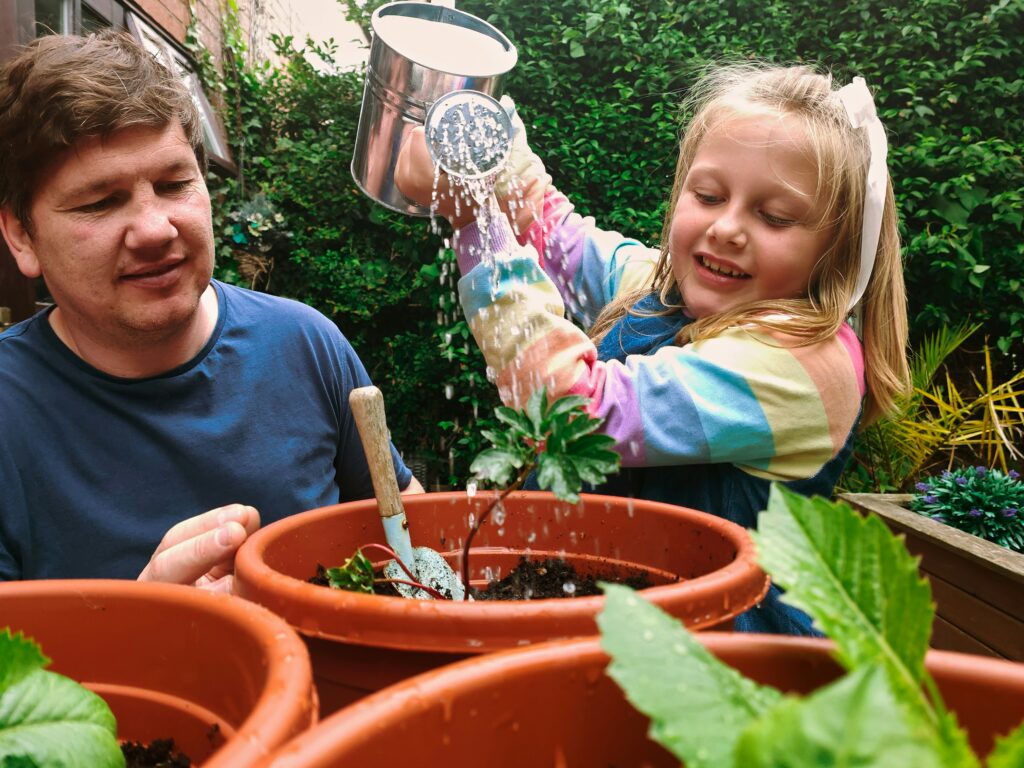
Tomatoes are “heavy drinkers,” but they hate getting their leaves wet. Teach the kids to water the soil, not the plant. This prevents leaf diseases and ensures the water gets straight to the roots where it’s needed most.
The Science of the “Pizza Party”
After about 60 to 70 days of sunshine and care, your garden will be ready for the grand opening. This is where the “full circle” moment happens.
The “No-Cook” Pizza Sauce
You don’t need a stove to make a 5-star sauce. Have the kids help you harvest the ripe tomatoes and a few sprigs of oregano.
- The Method: Blanch the tomatoes in hot water to slip the skins off, then mash them in a bowl with a fork. Add a pinch of salt and your finely chopped fresh oregano. Because the ingredients are so fresh, you don’t need hours of simmering—the flavor is already peak.
The “Freshness” Rule for Basil
Here is a savvy culinary tip for the kids: Never bake fresh basil. If you put fresh basil leaves in a 500°F oven, they will turn black, crispy, and bitter.
- The Ritual: Let the kids tear the basil leaves by hand (tearing releases more oils than cutting!) and scatter them over the bubbling cheese after the pizza comes out of the oven. The residual heat will wilt the leaves just enough to release that iconic aroma without ruining the flavor.
Beyond the Crust: The Life Lessons
While the goal is a delicious meal, the real harvest of a Family Pizza Garden is the skills the kids learn along the way.
Patience: In a world of “Prime Delivery,” waiting 10 weeks for a tomato is a profound lesson. It teaches children that the best things in life take time and consistent effort.
Resourcefulness: They learn that if a plant looks sad, they can investigate why and fix it. They become problem-solvers.
Food Literacy: A child who grows their own oregano is a child who is much more likely to try “the green stuff” on their plate. Gardening bridges the gap between “yucky vegetables” and “cool ingredients.”
Final Thoughts
The Family Pizza Garden is the ultimate “Savvy” project. For the price of one large bag of soil and a few seedlings, you are providing months of entertainment, education, and fresh food. It turns a boring patio corner into a source of pride and a literal feast.
When your kids take that first bite of a pizza they “built” from a tiny seed, they aren’t just eating dinner—they are eating their own hard work. And that, quite frankly, is the most delicious topping of all.