
We’re letting you know that this post contains sponsored links which Your Savvy Purse receives compensation for, which may impact their order of appearance.
**
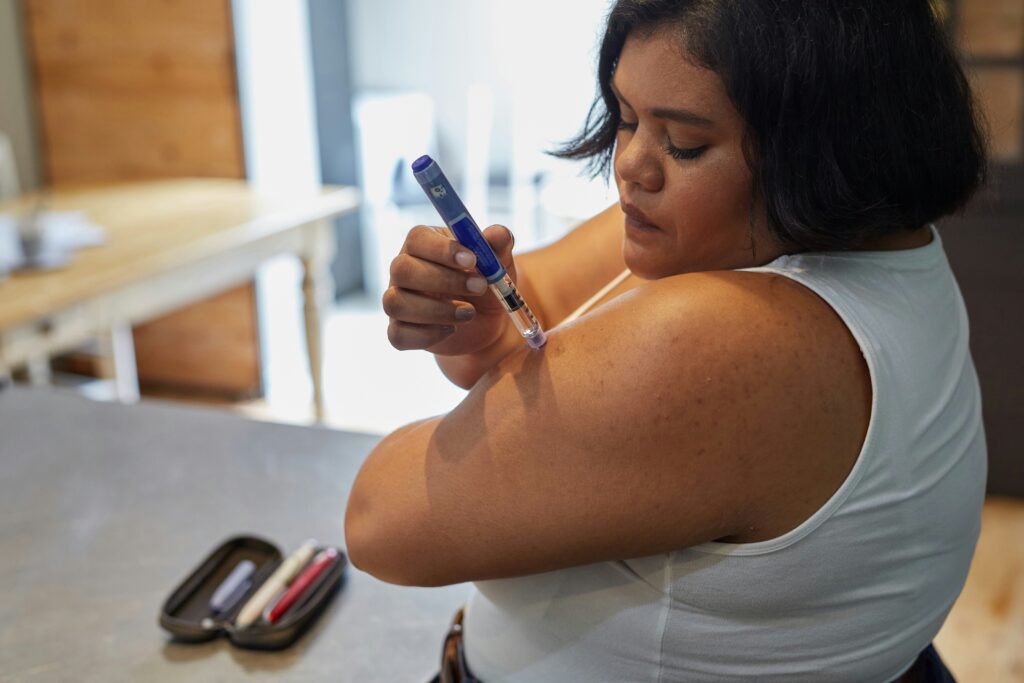
It seems like everywhere you look, the secret to weight loss after 40 involves a pricey prescription like Ozempic or a personal trainer who costs more than your weekly groceries. If you’re feeling a little left out (and want to keep your wallet full), you are in the right place.
The truth is, achieving a healthy weight in your 40s, 50s, and beyond doesn’t have to drain your bank account. It’s about working smarter, not spending harder. As savvy women, we know how to find a deal, and the best deal of all is investing in your health using practical, sustainable, and budget-friendly methods. Let’s dive into how you can do just that.
1. Master Your Kitchen: The Food Foundation
The most significant changes happen in the kitchen, not the pharmacy. Forget expensive, pre-packaged diet foods. Your savvy-purse strategy is to focus on whole, nutrient-dense foods that keep you full and energized.
- Prioritize Protein and Fiber: These are your two best friends for satiety. They keep you feeling full longer, which naturally reduces overall calorie intake. Think eggs, Greek yogurt, beans, lentils, chicken thighs, and tofu.
- Shop the Perimeter: Most grocery stores are set up with fresh produce, meat, and dairy along the outer walls. The processed, expensive stuff is in the middle aisles. Stick to the perimeter for 80% of your shopping.
- Embrace Frozen: Frozen fruits and vegetables are just as nutritious as fresh (sometimes more!), are often cheaper, and last for months. A bag of frozen broccoli or mixed berries is a budget-friendly staple.
2. The Zero-Cost Weight Loss Wonder: Water
This is the simplest, most effective, and completely free tool in your arsenal. Before you eat, drink a large glass of water. Thirst is often mistaken for hunger.
Staying properly hydrated helps boost your metabolism, aids digestion, and helps you feel fuller. Aim for about half your body weight in ounces of water per day. If you weigh 160 pounds, that’s 80 ounces of water. Carry a reusable water bottle with you everywhere—it’s a visual reminder and saves you from buying bottled water.
3. Find Your Free Fitness: Move Your Body, Not Your Money
You don’t need a fancy gym to get a fantastic workout. Your body and the world around you are all the equipment you need. The key is consistency.
- Walking is a Superpower: Don’t underestimate the power of a brisk walk. It’s low-impact, great for clearing your head, and fantastic for burning fat. Aim for 30-45 minutes most days of the week.
- YouTube University: There are thousands of high-quality, free workout videos on YouTube. Search for “low-impact HIIT for women over 40,” “beginner yoga,” or “bodyweight strength training.”
You can find a workout for any mood or energy level.
- Use Your Own Bodyweight: Squats, lunges, push-ups (on your knees is a great start!), and planks are incredibly effective for building metabolism-boosting muscle. Try doing 3 sets of 10-12 reps a few times a week.
4. Prioritize Sleep: The Free Hormone Balancer
In our 40s and beyond, hormonal balance is everything. Poor sleep can wreak havoc on cortisol (the stress hormone that loves to store belly fat) and ghrelin and leptin (your hunger and fullness hormones).
When you’re sleep-deprived, you’re more likely to crave high-calorie, sugary foods and have less willpower to resist them. Aiming for 7-9 hours of quality sleep per night is one of the most powerful (and free) things you can do for weight management.
5. Manage Stress to Manage Your Waistline
Just like sleep, unmanaged stress sends your cortisol levels soaring. This not only encourages fat storage, especially around the midsection, but it can also lead to emotional eating.
Finding free ways to de-stress is a non-negotiable. This could be:
- A 5-minute deep breathing exercise
- Journaling your thoughts before bed
- Spending 15 minutes sitting outside in the sun
- Listening to a calming podcast or music
6. Explore Time-Savvy Eating: Intermittent Fasting
Intermittent Fasting (IF) is less about what you eat and more about when you eat. It’s a powerful tool that costs absolutely nothing and can simplify your life.
A common approach is the 16:8 method, where you fast for 16 hours (most of which you’re asleep) and eat within an 8-hour window (e.g., 12 PM to 8 PM). This can help improve insulin sensitivity and may naturally reduce your calorie intake without you having to count every single one. Always check with your doctor before starting a new eating pattern, especially if you have any underlying health conditions.
7. Build Your Free Support System
One of the reasons expensive programs work is the accountability they provide. But you can create this for free!
Find a friend, sister, or neighbor who shares similar goals. Become walking buddies. Text each other pictures of your healthy, home-cooked meals. Having someone to share the journey with—the successes and the struggles—can make all the difference. If you can’t find someone in your immediate circle, look for supportive Facebook groups for women on a similar journey.
8. Track Your Progress for Free
What gets measured gets managed. You don’t need a paid app with a million features. Use the free version of apps like MyFitnessPal or Lose It! to get a general idea of your food intake for a week or two. You might be surprised where extra calories are sneaking in.
Even simpler? Use a good old-fashioned notebook. Jotting down what you eat can bring incredible awareness. You can also track non-scale victories, like how your clothes fit, your energy levels, or how many days in a row you went for a walk.
Conclusion
Losing weight after 40 is absolutely possible without resorting to expensive fads or medications. By adopting the same savvy, practical mindset you apply to your finances, you can transform your health. Focus on nourishing your body with whole foods, finding joy in free movement, prioritizing restorative sleep and stress management, and building a supportive community. These are the sustainable strategies that will not only help you lose weight but will also enrich your life for years to come—all while keeping your purse strings happily intact. You’ve got this.