
We’re letting you know that this post contains sponsored links which Your Savvy Purse receives compensation for, which may impact their order of appearance.
When it comes to saving money, few strategies are as underrated—and rewarding—as shopping secondhand. Whether you’re browsing thrift stores, exploring consignment shops, or scrolling online resale platforms, secondhand shopping is a smart, eco-friendly way to stretch your budget while still enjoying quality items.
For many women, shopping can be both a necessity and a pleasure. But with rising prices, it’s easy to feel torn between saving money and enjoying the wardrobe, home décor, or lifestyle you want. That’s where secondhand shopping changes the game. Not only can you find incredible bargains, but you can also uncover unique pieces that make your personal style stand out.
Let’s take a deep dive into the world of secondhand shopping—why it works, how to get the best deals, and how to approach it like a savvy shopper.
Why Secondhand is Smarter Than Ever
Secondhand shopping isn’t just about saving money—it’s also about value. Here are some of the biggest reasons women everywhere are embracing it:
- It saves serious cash. Buying secondhand can cut costs by 50–80% compared to buying new. A $120 designer dress at retail might be just $25 at a consignment shop.
- Quality for less. Higher-end brands are often built to last, and when you buy them secondhand, you get durability and style at a fraction of the price.
- Eco-friendly impact. Every time you buy secondhand, you’re reducing waste and keeping items out of landfills.
- Unique finds. Instead of buying what everyone else has, you can score one-of-a-kind items that truly express your style.
Clothing: Building a Stylish Wardrobe on a Budget
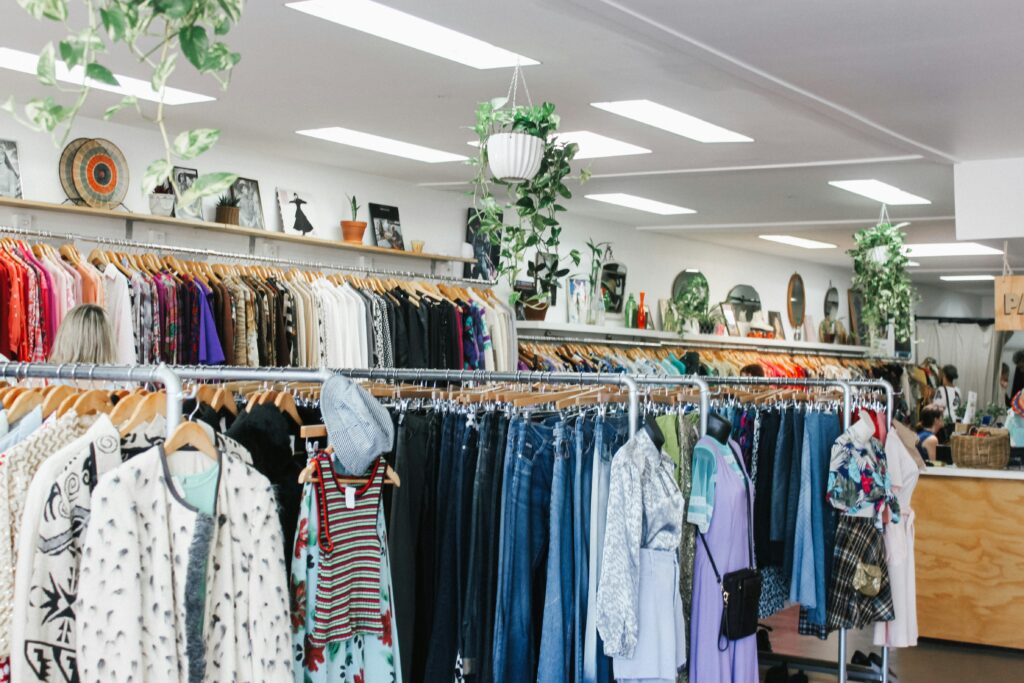
One of the best areas to save with secondhand shopping is clothing. Here’s how to approach it like a pro:
- Know your staples. Focus first on pieces that will get the most wear: blazers, jeans, neutral tops, and quality shoes. You’ll find these basics in nearly every thrift or consignment shop.
- Keep a running list. Write down items you actually need. Otherwise, the thrill of a bargain can lead to unnecessary purchases.
- Look for timeless pieces. Classic trench coats, leather handbags, and simple jewelry rarely go out of style and hold up well secondhand.
- Try on everything. Sizing varies between brands and eras. What’s marked as an 8 today might fit more like a 4 or 10 if it’s vintage.
- Tailoring is your secret weapon. A $7 dress that’s slightly too big can become a perfectly fitted, designer-looking piece for less than $20 with a quick alteration.
👉 Pro Tip: Build a capsule wardrobe with secondhand staples, then add fun statement pieces to keep things fresh.
Home Décor: Transforming Your Space on a Budget
Secondhand shopping isn’t just for fashion—it’s a treasure trove for home décor.
- Furniture steals. Solid wood dressers, side tables, or shelves can often be found for under $50. A quick sanding and a coat of paint or stain can transform them.
- Accent décor. Lamps, mirrors, and picture frames are often deeply discounted and easy to customize with spray paint.
- Seasonal décor. Why pay retail for fall pumpkins, wreaths, or holiday ornaments when thrift stores overflow with them for pennies on the dollar?
- Storage solutions. Baskets, bins, and shelves can be found secondhand, helping you organize your home without spending a fortune.
Kids’ Clothing and Toys: Huge Savings for Families
If you’re raising children, secondhand shopping can save you thousands of dollars over the years.
- Clothing: Kids grow out of clothes in months, not years. Buying secondhand lets you keep up with growth spurts without overspending.
- Toys and books: Thrift shops are overflowing with puzzles, board games, and children’s books—many in like-new condition.
- Gear: Strollers, highchairs, and baby swings can cost hundreds new but are often available at a fraction of the cost secondhand.
👉 Safety note: Always double-check recalls before purchasing secondhand baby or toddler gear.
Where to Shop Secondhand
Today’s secondhand options go far beyond your local thrift store. Here’s where to look:
- Thrift Stores: Goodwill, Salvation Army, and smaller local shops often have hidden gems if you’re willing to dig.
- Consignment Shops: These stores typically have higher-end, curated pieces in excellent condition.
- Online Resale: Sites like Poshmark, ThredUp, Mercari, and eBay let you shop from the comfort of your couch.
- Facebook Marketplace & Buy Nothing Groups: Perfect for furniture, home décor, or kids’ items.
- Garage Sales & Flea Markets: Seasonal favorites for scoring big bargains.
Strategies for Smart Secondhand Shopping
Secondhand shopping can feel overwhelming if you don’t have a plan. Here’s how to shop smarter:
- Go often. Inventory changes daily, so frequent visits increase your chances of finding treasures.
- Shop mid-week. Donations are often processed on Mondays and Tuesdays, making Wednesdays and Thursdays prime shopping days.
- Learn brand labels. Recognizing quality brands helps you spot high-value items quickly.
- Inspect carefully. Check for stains, missing buttons, or damage. A small fix is fine, but you don’t want to waste money on unrepairable items.
- Set a budget. Even though items are cheap, it’s easy to overspend. Decide on a spending cap before you start browsing.
The Mindset Shift: From “New” to “Value”
Many people hesitate to shop secondhand because they think “new is better.” But once you make the mindset shift, it becomes a fun and empowering way to save money. Instead of focusing on whether something is brand-new, ask:
- Is it good quality?
- Does it fit my needs or style?
- Is it worth the price?
When you shift your focus from “new” to “value,” secondhand shopping becomes not just a money-saving tactic, but a lifestyle that prioritizes financial freedom and sustainability.
Final Thoughts
Secondhand shopping is more than just a way to save money—it’s a way to live smarter, shop more sustainably, and create a lifestyle that reflects both your budget and your values. From building a chic wardrobe to decorating your home, raising kids, or even finding gifts, the secondhand market is bursting with opportunities.
With patience, creativity, and a little strategy, you can cut costs dramatically while still enjoying quality and style. And perhaps the best part? Every secondhand purchase is a small victory: more money stays in your pocket, fewer items end up in landfills, and you walk away with something unique that tells its own story.
So the next time you feel the urge to shop, skip the mall and head to your nearest thrift store or online resale platform. You may just find your new favorite piece—at a fraction of the price.


