

We’re letting you know that this post contains sponsored links which Your Savvy Purse receives compensation for, which may impact their order of appearance.
Your electric bill isn’t just a monthly inconvenience—it’s often one of the most overlooked areas where you could be saving serious money. Whether you’re renting a small apartment or managing a full house, energy costs can sneak up and eat away at your budget.
The good news? You don’t need to invest in solar panels or smart-home tech to start seeing results. With just a few small adjustments to your daily habits, you can lower your utility bills—and keep more money in your pocket every single month.
Here’s how to get started, what to prioritize, and just how much you could realistically save by making your home more energy-efficient.
Why Your Electric Bill Might Be Higher Than It Should Be
You don’t need to be blasting the AC 24/7 to be overpaying on your energy bill. Many households unknowingly waste electricity on things that seem small—but over time, they add up.
Here are some of the most common (and costly) culprits:
- Leaving lights and appliances on when not in use
- Running inefficient or outdated appliances
- Heating or cooling rooms that aren’t being used
- Poor insulation or drafty windows
- “Phantom energy” from plugged-in devices that aren’t even on
Most of these don’t require expensive fixes—just a little awareness and a few smarter choices.
Quick Changes That Make a Big Impact
Let’s start with what you can do right now—no special tools or skills required.
Unplug Unused Devices
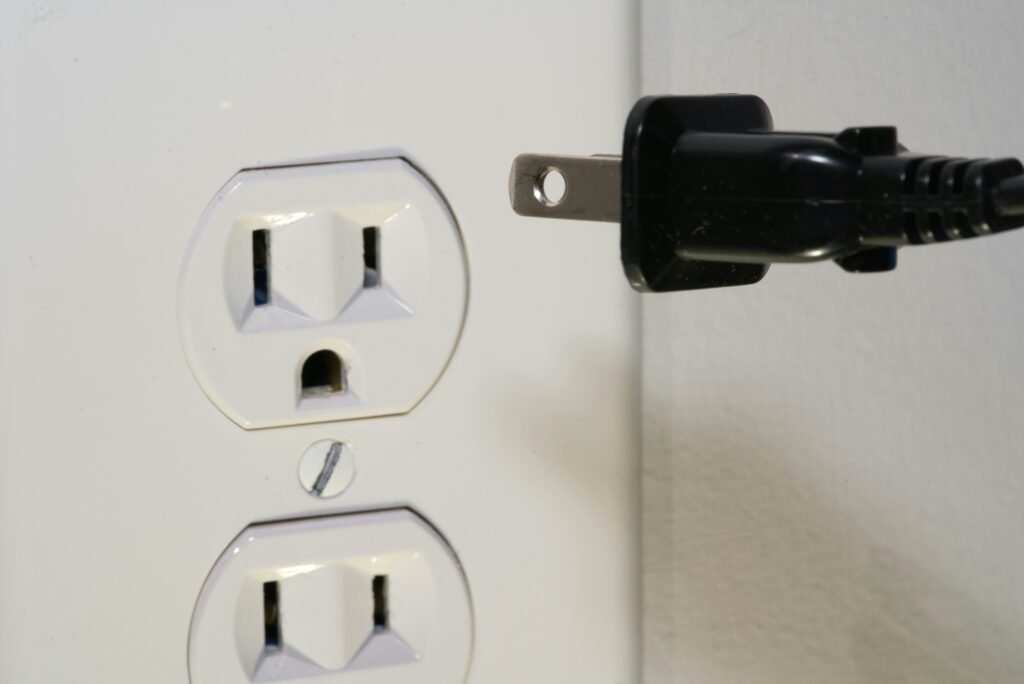
Even when turned off, electronics like TVs, microwaves, and gaming consoles still draw small amounts of power. Over time, this “phantom load” can account for 5–10% of your electric bill. Use power strips and turn them off when you’re not using multiple devices.
Adjust Your Thermostat
Each degree you lower your thermostat in winter (or raise in summer) can cut your heating or cooling bill by around 3%. Try setting it two to three degrees closer to the outdoor temperature—your body will adapt, and your wallet will thank you.
Wash Clothes in Cold Water
Nearly 90% of a washing machine’s energy use comes from heating the water. Cold water cleans just as effectively for most loads and helps clothes last longer too.
Switch to LED Bulbs
LED bulbs use up to 90% less energy than traditional incandescent bulbs and last up to 25 times longer. The upfront cost is higher, but the savings over time are significant.
Long-Term Upgrades That Pay for Themselves
If you’re ready to make a few more intentional investments, these small upgrades can lead to big savings over the long haul.
Install a Programmable Thermostat
Set it to automatically lower or raise the temperature when you’re at work, asleep, or on vacation. Many smart thermostats can reduce energy costs by up to 10–15% a year.
Seal Air Leaks
Drafty windows and doors can dramatically increase heating and cooling costs. Weatherstripping, caulking, and door sweeps are inexpensive fixes that can improve comfort and efficiency.
Add Insulation
If you live in an older home, chances are it’s under-insulated. Adding attic insulation alone can save up to 20% on heating and cooling bills.
Upgrade Old Appliances
If your fridge, washer, or HVAC system is more than 10 years old, it may be guzzling energy. Look for Energy Star–certified replacements that use 10–50% less energy than standard models.
How Much You Can Really Save
Here’s what the average household could save annually by adopting common energy-saving practices:
- Using cold water for laundry: $60–$100
- Adjusting thermostat by 2–3 degrees: $100–$300
- Replacing five lightbulbs with LEDs: $50–$75
- Sealing windows and doors: $100–$200
- Using a smart thermostat: $150–$200
- Unplugging phantom energy sources: $50–$150
Total potential yearly savings: $500–$1,000+, depending on home size and habits
These savings aren’t just numbers on a bill—they add up to meaningful wiggle room in your monthly budget. That’s money that can go toward debt payoff, travel, savings goals, or just easing financial stress.
Make It a Habit, Not a Hassle
You don’t have to change everything at once. Try picking one area to focus on each week or month. The more energy-aware you become, the easier it gets to spot waste—and fix it.
A few helpful habits to adopt:
- Turn off lights when leaving a room
- Air-dry clothes when possible
- Use a microwave or toaster oven for small meals
- Keep vents and filters clean for better HVAC efficiency
- Cook multiple meals at once to reduce oven use
These simple shifts might not feel dramatic in the moment, but together, they form a powerful savings strategy.
Final Thoughts: Small Shifts, Big Results
Saving money on your electric bill doesn’t require expensive upgrades or a full-blown home renovation. It starts with a few smarter habits and a shift in how you think about energy use.
Over time, these changes won’t just lower your bills—they’ll help you feel more in control of your finances, more comfortable in your home, and more confident in your ability to make smart, lasting choices.
Because every dollar you don’t spend on wasted energy is a dollar you can put toward something better.


