
We’re letting you know that this post contains sponsored links which Your Savvy Purse receives compensation for, which may impact their order of appearance.
We don’t always see an emergency coming, but they still arrive. Whether it’s a job loss, a surprise medical bill, a broken water heater, or an unexpected car repair, life has a way of throwing us financial curveballs. The question is: will you be ready?
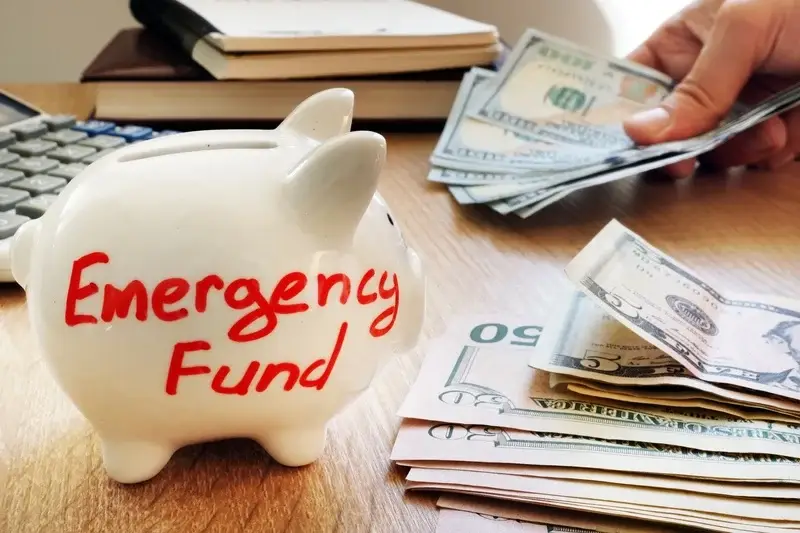
An emergency fund doesn’t prevent bad things from happening. What it does do is turn a crisis into an inconvenience. It replaces panic with a plan. And in a world where so much feels uncertain, having a stash of cash set aside for the unknown is one of the most powerful, calming things you can do for yourself.
Yet many people put off building one. Maybe it feels overwhelming. Maybe it feels impossible. Or maybe they just don’t know where to start. If that’s you, you’re not alone—and you’re not stuck. With a little intention, anyone can build an emergency fund. You don’t need to save thousands overnight. You just need to begin.
What Is an Emergency Fund, Really?
Let’s clear up one thing: an emergency fund is not the same as general savings. It’s not vacation money. It’s not a new wardrobe fund. It’s money set aside specifically for true, unexpected emergencies.
Think:
- Job loss
- Medical expenses not covered by insurance
- Car or home repairs essential to your day-to-day life
- Emergency travel to care for a loved one
It’s not for upgrading your phone, buying concert tickets, or covering holiday shopping. That’s not to say you can’t save for those things—but they belong in a different bucket.
Your emergency fund is sacred. It’s your financial firewall.
Why It Matters More Than You Think
Let’s say your car breaks down, and the repair will cost $900. If you don’t have an emergency fund, that bill might go straight onto a credit card—one that’s already close to its limit. You’ll be paying interest, juggling minimum payments, and feeling stressed for months.
Now imagine you do have an emergency fund. You pay the $900 in cash, take a deep breath, and move on. You’re shaken—but you’re not drowning. That’s the difference.
More than anything, an emergency fund buys you time. And time, in moments of crisis, is everything. It gives you the ability to think clearly, avoid debt, and make decisions based on logic—not fear.
How Much Do You Really Need?
The “ideal” emergency fund size depends on your life situation. Most experts suggest starting with $1,000 as a beginner goal. It’s a manageable milestone and enough to cover most minor emergencies.
Once you’ve hit that, aim for three to six months’ worth of expenses. That means if your basic monthly needs (rent, groceries, insurance, bills) total $2,000, your ultimate goal might be $6,000–$12,000.
That might sound intimidating, especially if you’re living paycheck to paycheck—but remember: it’s a long-term goal. You don’t need to save it all this month. You just need to start saving something.
Where Should You Keep It?
Your emergency fund should be easily accessible—but not too accessible. You don’t want it mixed into your checking account where it might accidentally get spent on a late-night Amazon scroll.
The best option? A high-yield savings account at a bank separate from your main checking account. That way:
- It’s earning a bit of interest
- It’s safe from market risk (unlike investing)
- It’s available when you need it, but not staring at you every time you log in
Avoid keeping your emergency fund in cash at home or tying it up in investments like stocks or retirement accounts. Emergencies need fast access and zero volatility.
How to Build Your Fund (Even on a Tight Budget)
The biggest myth about emergency funds? That you need “extra” money to build one. The truth is, most people build emergency funds the same way they build anything worthwhile: slowly, steadily, and with consistency.
Here’s how to get started—even if money’s tight:
Start Small
Don’t aim for $5,000 out of the gate. Aim for $50. Then $100. Then $500. Momentum matters more than size in the beginning. Even $10 a week adds up to over $500 a year.
Make It Automatic
Set up a recurring transfer from checking to savings—every payday, if possible. If you don’t see it, you won’t spend it. Automation takes the emotional decision-making out of the process.
Use Unexpected Income
Tax refunds, bonuses, birthday money—send a portion straight to your emergency fund. These windfalls are the fastest way to grow it without cutting into your regular budget.
Cut Back Temporarily
Do a no-spend weekend. Cancel one unused subscription. Eat out once less per week. Every little change frees up dollars that can go directly into your safety net.
Save “Found” Money
Did your insurance premium drop? Did your utility bill come in lower than expected? Instead of absorbing the savings into your spending, move it to your fund. Learnhow to cut home expenses to save extra money to add to your emergency fund!
Remember: slow progress is still progress.
When to Use It (and When Not To)
The hardest part of having an emergency fund is knowing when not to touch it.
Ask yourself:
- Is this unexpected?
- Is it urgent?
- Is it essential?
If the answer is yes to all three, it’s probably an emergency. If not, pause. If it can wait, it’s not worth tapping into your safety net.
Some people even keep a “mini” emergency fund and a “major” one. The mini fund covers annoyances like car tires or doctor copays. The major one stays untouched unless something serious happens—like job loss or hospitalization.
How an Emergency Fund Changes Your Life
Here’s the thing about emergency funds: they’re not just about money. They’re about emotional stability. About knowing that when life throws you a curveball, you don’t have to spiral.
You don’t have to panic about how to pay. You don’t have to go into debt. You don’t have to borrow from friends or put off rent or skip groceries.
You simply handle it. Then you rebuild.
That kind of financial resilience is deeply empowering. It changes how you walk through the world. You sleep better. You worry less. You make better decisions—because you’re not making them from a place of desperation.
Final Thoughts: Start Before You’re Ready
If there’s one financial move that will bring you more peace than anything else, it’s this: build your emergency fund.
Start small. Stay consistent. Celebrate every milestone.
Don’t wait for the “perfect” time or for your income to increase. The best time to build your fund is before you need it. Because emergencies don’t wait until you’re ready. They just show up. But with a bit of planning, you’ll be ready when they do.
And that kind of quiet confidence? It’s priceless.


