

We’re letting you know that this post contains sponsored links which Your Savvy Purse receives compensation for, which may impact their order of appearance.
Home improvement doesn’t have to mean a major renovation or a significant financial investment to genuinely improve how a space looks and feels. Many of the most impactful upgrades are small, affordable changes that make a noticeable difference without requiring a contractor or a big budget. Here’s where to focus your time and money for the best return.
Refresh Walls With Paint Before Anything Else
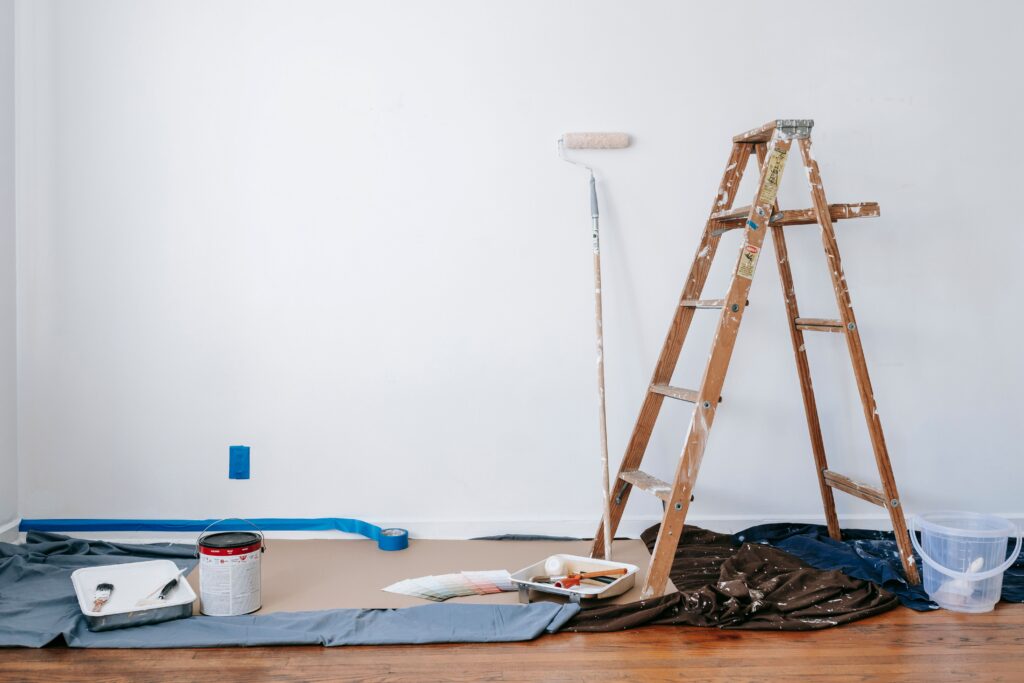
A fresh coat of paint is one of the most cost-effective ways to transform a room, often making a bigger visual impact than more expensive furniture or decor changes.
Try this: Choose a few key rooms or accent walls to repaint before investing in other updates, since paint alone can dramatically shift the feel of a space.
Update Hardware Instead of Replacing Furniture or Cabinets
Cabinet handles, drawer pulls, and light switch covers are inexpensive to replace but can meaningfully update the look of a kitchen, bathroom, or living space.
Try this: Swap outdated hardware for a more modern style before considering a full cabinet or furniture replacement, which costs significantly more for a similar visual impact.
Improve Lighting Before Buying New Decor
Poor or outdated lighting can make even a well-decorated room feel dull, while good lighting elevates a space regardless of the furniture within it.
Try this: Consider updating light fixtures, adding warm-toned bulbs, or introducing a few well-placed lamps before purchasing additional decor items.
Declutter Before Deciding What to Buy
Many people shop for storage solutions or organizational products before addressing the root issue: too much unnecessary stuff taking up space.
Try this: Declutter a space fully before purchasing any organizational products, often discovering you need far less storage than initially assumed once excess items are removed.
Rearrange Furniture Before Buying New Pieces
A room can feel entirely different simply through a new furniture arrangement, without requiring any new purchases at all.
Try this: Experiment with rearranging existing furniture to improve flow and functionality before assuming you need to buy something new to solve a layout problem.
Add Greenery for an Affordable Visual Upgrade
Plants add color, texture, and life to a space at a relatively low cost compared to most other decor options.
Try this: Incorporate a few low-maintenance plants into rooms that feel flat or unfinished, choosing varieties suited to your home’s light conditions and your general care habits.
Use Textiles to Refresh a Room Affordably
Throw pillows, blankets, and rugs can update a room’s color scheme and texture without the cost of larger furniture changes.
Try this: Swap out a few textiles seasonally or when you want a refresh, using them as a lower-cost way to update a room’s overall feel.
Address Small Repairs Before They Become Bigger Problems
Minor issues like a dripping faucet, loose cabinet hinge, or small drywall crack often become significantly more expensive to fix if left unaddressed.
Try this: Set aside time periodically to handle small repairs as they come up, preventing more costly damage or professional repair bills down the line.
Improve Curb Appeal With Low-Cost Exterior Updates
Exterior improvements don’t require full landscaping overhauls to make a meaningful difference in how a home looks and feels.
Try this: Consider affordable updates like a fresh coat of paint on the front door, new house numbers, or simple potted plants near the entrance for an easy curb appeal boost.
Use Removable Wallpaper or Decals for Renters
Renters often assume they can’t make meaningful updates to a space, when several affordable, removable options exist specifically for rental-friendly upgrades.
Try this: Consider removable wallpaper, decals, or peel-and-stick tile for a temporary but impactful update that won’t violate a lease agreement.
Prioritize Functional Upgrades That Improve Daily Life
Some upgrades genuinely improve daily quality of life (better storage, improved lighting, more comfortable seating) more than purely aesthetic changes.
Try this: Prioritize spending on upgrades that address a genuine daily frustration in your home, rather than focusing exclusively on purely decorative changes.
Learn Basic DIY Skills for Common Home Tasks
Many small home improvement tasks can be handled without professional help once you learn the basics, saving significantly on labor costs.
Try this: Learn a few foundational skills (basic painting, simple furniture assembly, minor repairs) through free online tutorials before automatically hiring outside help for smaller tasks.
Shop Secondhand for Furniture and Larger Decor Items
Furniture and larger decor items depreciate quickly, making secondhand options a significant source of savings compared to buying new.
Try this: Check local marketplace apps, estate sales, and consignment shops for furniture and larger decor pieces before committing to full retail prices.
The Bottom Line
Meaningful home improvement doesn’t require a large budget or professional help for every change — small, strategic updates like paint, lighting, and decluttering often deliver the biggest visual and functional impact for the lowest cost. By prioritizing these affordable changes first, you can significantly improve how your home looks and feels before considering any larger investment.