

We’re letting you know that this post contains sponsored links which Your Savvy Purse receives compensation for, which may impact their order of appearance.
DIY culture promises big savings on everything from home decor to gifts, but not every project is worth the time investment — some end up costing more once you factor in materials, mistakes, and hours spent. Knowing which DIY projects genuinely save money (and which ones are better left to the professionals or the store shelf) can help you get the satisfaction of making something yourself without wasting time or money in the process.
Home Decor: Where DIY Genuinely Wins
Home decor is one of the strongest categories for DIY savings, since materials are often inexpensive and mistakes are low-stakes.
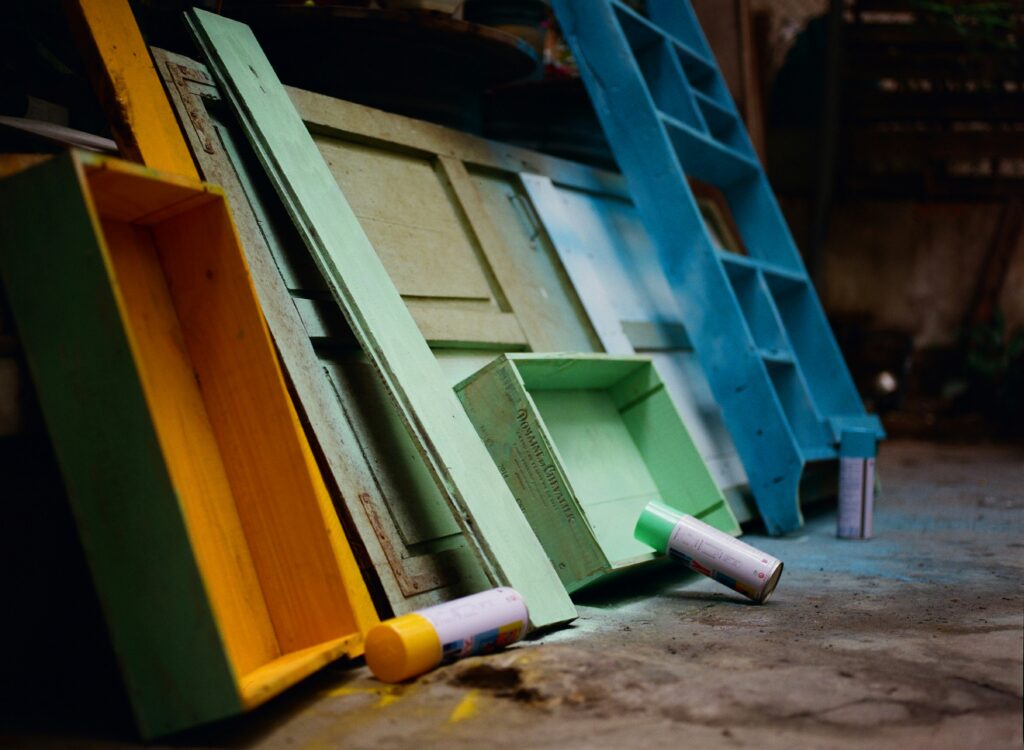
Worth doing: Painted accent walls, simple picture ledges, no-sew curtains, and repurposed furniture (a fresh coat of paint or new hardware) can transform a space for a fraction of retail decor prices.
Furniture Refinishing Instead of Buying New
Older furniture with good bones often just needs cosmetic updates rather than full replacement.
Worth doing: Sanding and repainting or staining an old dresser, table, or chair costs far less than buying new furniture and can result in a genuinely custom-looking piece.
Homemade Cleaning and Beauty Products
Many cleaning and simple beauty products can be made at home using inexpensive, multi-purpose ingredients.
Worth doing: DIY all-purpose cleaners, sugar scrubs, and hair masks made from pantry staples cost pennies compared to store-bought versions with similar ingredient lists.
Gift Wrapping and Card Making
Store-bought wrapping paper, bows, and greeting cards add up quickly, especially around holidays.
Worth doing: Repurposing brown paper bags, fabric scraps, or old maps for wrapping, along with handmade cards, adds a personal touch while cutting costs significantly.
Garden Projects Using Reclaimed Materials
Garden beds, planters, and small outdoor projects are a great DIY category, especially using reclaimed or repurposed materials.
Worth doing: Building raised garden beds from reclaimed wood or turning old containers into planters costs far less than buying pre-made garden structures.
When DIY Electronics Repairs Make Sense
Some electronics repairs are simple enough for a confident DIYer, while others carry real risk of making the problem worse.
Worth doing carefully: Replacing a phone battery or screen protector, or basic computer cleaning and software troubleshooting, can save significant money if you follow a reliable tutorial and have the right tools.
Where DIY Often Costs More Than Buying
Certain popular DIY categories look appealing on social media but frequently end up costing more than store-bought alternatives once materials and mistakes are factored in.
Skip this: Homemade candles, unless made in large batches, often cost more per candle than budget retail options once wax, wicks, and containers are purchased individually.
Skip DIY for Complex Electrical or Plumbing Work
Some home projects carry real safety risk and potential costly mistakes if done incorrectly, making professional help the smarter financial choice.
Skip this: Electrical rewiring, major plumbing changes, or structural work should generally be left to licensed professionals, since a botched DIY attempt can cost far more to fix than the original professional quote.
Be Cautious With DIY Skincare Treatments
While simple masks and scrubs are generally safe, more advanced skincare DIY (like homemade chemical exfoliants) can cause skin damage if formulated incorrectly.
Skip this: Avoid DIY versions of anything involving actual acids or strong actives; stick to gentle, well-tested combinations like honey, oatmeal, or yogurt-based masks.
Calculate True Cost Before Starting Any Project
The biggest DIY money trap is underestimating the total cost of materials, especially for projects requiring specialty tools you don’t already own.
Do this: Add up the full cost of materials and any tools you’d need to purchase before starting, comparing that total honestly against the price of buying the finished product.
Factor In Your Time as a Real Cost
Time spent on a DIY project has real value, even if it doesn’t show up as a line item on a receipt.
Do this: Consider whether the time investment is genuinely worth it to you, especially for projects that could take multiple weekends versus a same-day store purchase.
Start Small Before Committing to Bigger Projects
Jumping into an ambitious DIY project without practicing on something smaller often leads to costly mistakes.
Do this: Practice new skills (like sewing, woodworking, or tiling) on a small, low-stakes project before attempting something larger and more expensive to redo if it goes wrong.
Reuse Materials From Previous Projects
Leftover paint, fabric, or hardware from past projects can often be repurposed for new ones, reducing the need for fresh purchases.
Do this: Keep an organized supply of leftover materials from past projects, checking there first before buying anything new for your next DIY idea.
The Bottom Line
DIY can be a genuinely effective way to save money — but only for the right projects. Home decor, simple furniture refinishing, and homemade cleaning products tend to deliver real savings, while complex electrical work, risky skincare formulations, and materials-heavy crafts often don’t. Knowing the difference helps you enjoy the satisfaction of making something yourself without accidentally spending more than you would have buying it outright.